A Portuguese version of this article can be found here: https://www.maldenblueandgold.com/2026/11/incerteza-aguarda-o-brasil-apos-a-eleicao-presidencial/
The United States is a melting pot of thousands of ethnicities and immigrant communities. In it resides the largest population of Brazilians outside of Brazil, with the one of the largest concentrations being in Massachusetts. This past October, Brazilian immigrants across the country participated in their nation’s federal election during a time of immense political controversy.
The 2026 General Election took place on October 4th to elect a number of federal officials, including members of the National Congress, the vice president, and the most anticipated of all: the president.
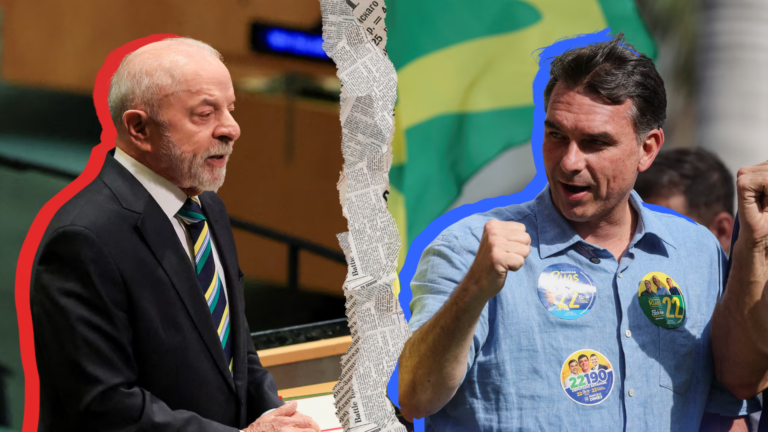
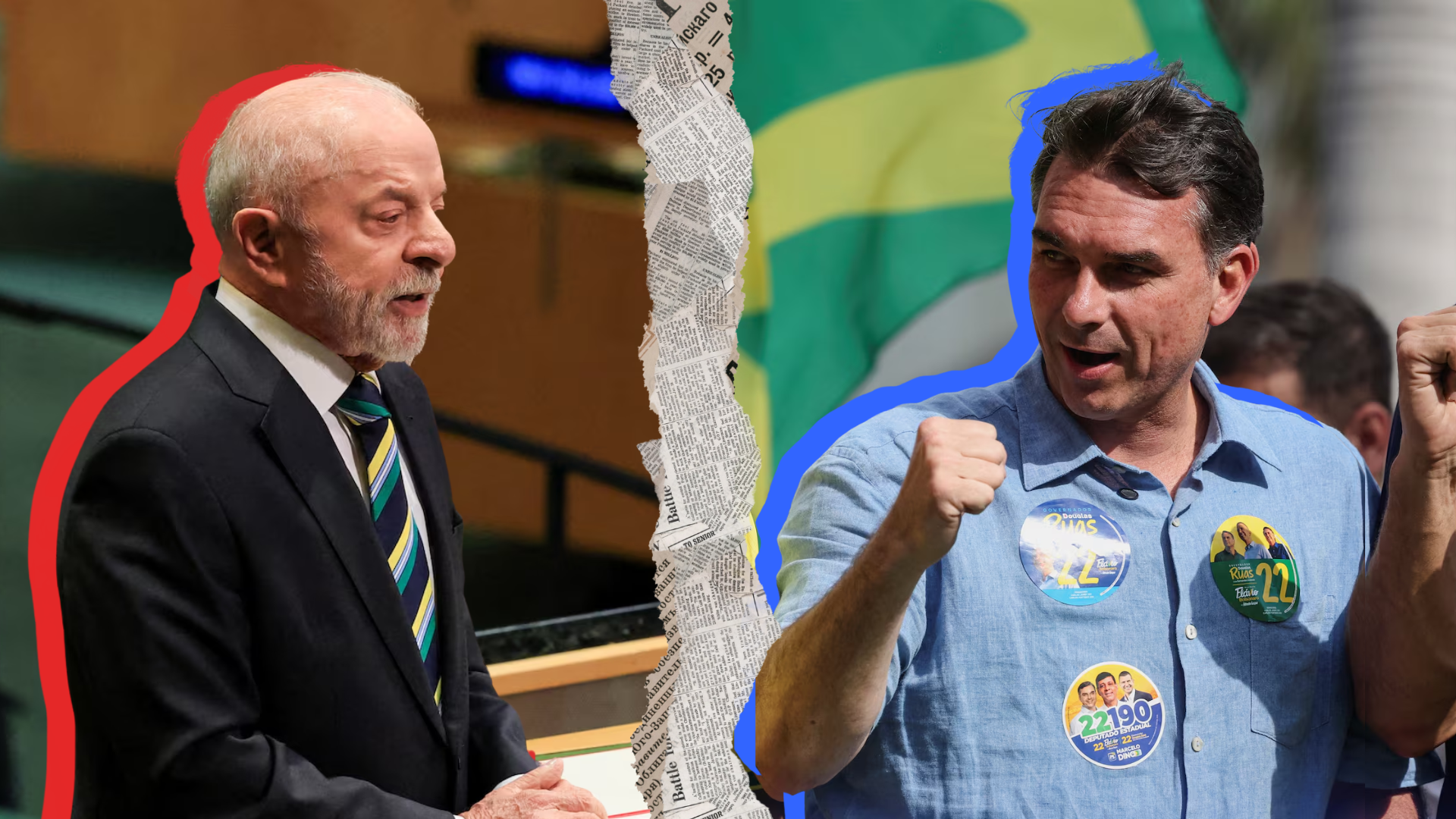
In conclusion of one of its most closely contested presidential elections in recent years, the left-wing Workers’ Party’s (PT) primary candidate Luiz Inácio Lula da Silva has been reelected to his fourth, nonconsecutive presidential term.
By the end of the initial election round, right-wing Liberal Party (PL) candidate Flávio Bolsonaro had amassed 47% of votes while Lula secured 45%. Because neither candidate acquired over 50% of the overall votes, the close vote led to a runoff, where the candidates reran for their positions on October 25th for the final verdict.
On October 25th, Lula defeated Bolsonaro with 51.79% of the vote in comparison to Bolsonaro’s 48.21%. Winning by 4.4 million votes, this result provided Lula a victory, but not one without opposition; the congressional elections suggest that his administration will face considerable difficulty when attempting to introduce new legislation.
This election raises questions about the direction of Brazil’s national systems, economy, foreign affairs, and future for the next four years.
Congressional Affairs
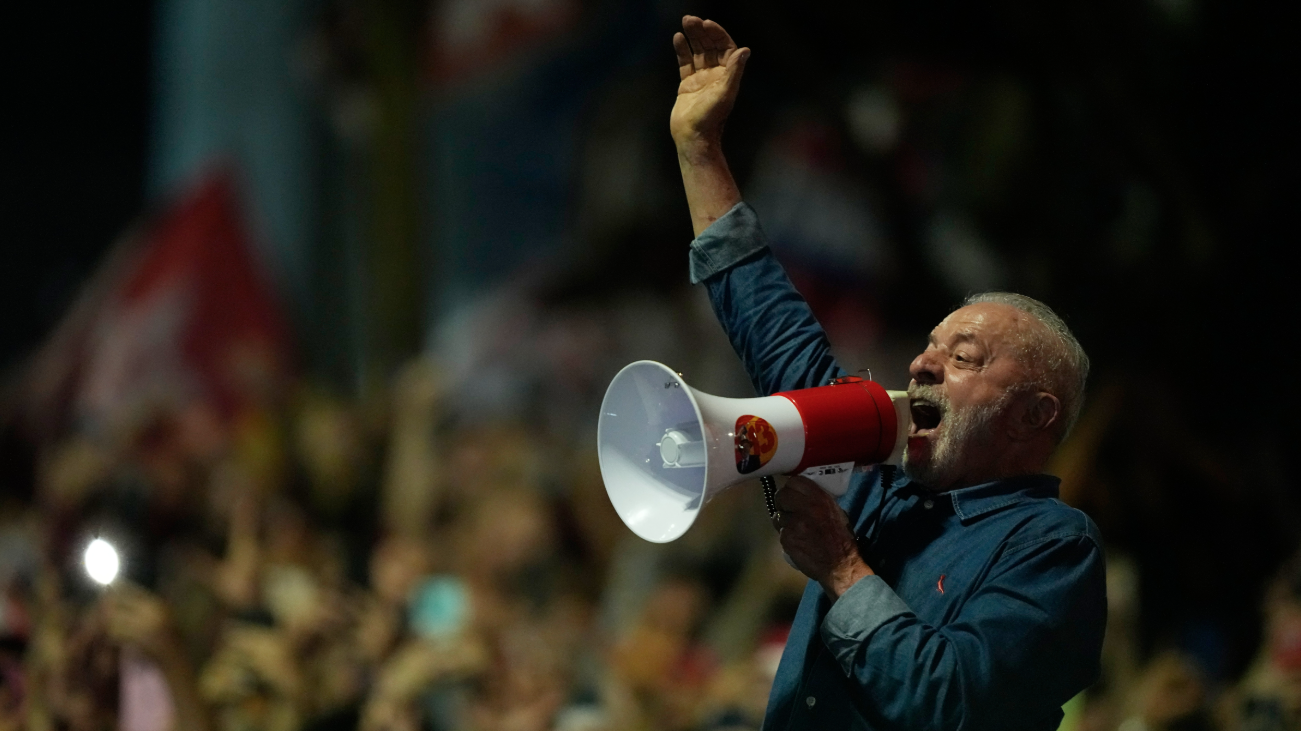
This year’s presidential race was largely a continuation of the political divisions that have seemed to shape Brazil in recent years. Lula—who previously served as president from 2003 to 2010 and returned to office in 2023—campaigned primarily on maintaining social welfare initiatives, supporting lower-income communities, and continuing government investment in the economy.
His opponent—previously a senator representing the state of Rio de Janeiro, Flávio Bolsonaro, campaigned on a much more conservative platform, in which he emphasized a responsibility and an agenda associated with the political movement with religious backing established by his father, Jair Bolsonaro. His candidacy attracted voters who supported the previous Bolsonaro administration.
Similar to the U.S., one of the most anticipated moments during federal election season is the presidential debate that could make or break a candidate’s argument, composure, and reputation in political standings. TV Globo was set to air the debate three days before the election, but it was cancelled abruptly because Flavio pulled out at the last minute, as Lula had refused to participate in any federal debates leading up to the election.
Lula, instead, appeared on one of Brazil’s most popular podcasts, Flow Podcast, to talk about the upcoming election. This was a move that many considered peculiar, to say the least, as many people felt that the podcast episode evoked a bias in favor of him.
On Sunday, October 18th, the two candidates participated in the rescheduled debate.
Playing such a vital role in the election, curated questions were asked in order to address voters’ concerns and defend their records. During the first face-to-face debate, Lula and Flávio Bolsonaro exchanged accusations about corruption, crime, and the economy. The debate attracted significant attention, especially among youth in which clips of humorous and accusatory exchanges during the debate were viralized online.
The debate was not considered a clear victory for Lula, as analysts and reporters from Reuters expressed that Bolsonaro held better composure. However, the debate brought greater attention to the differences between the two candidates’ focuses for the country’s direction, with Lula supporting current economic policies such as raises to minimum wage, while Flávio Bolsonaro criticized raising food prices.
Although the debates did not shift voters directly toward Lula, the runoff campaign gave him an opportunity to change the focus of the election, asking voters what another Bolsonaro presidency might mean for the country. This begs the question, what do the people in congress believe in when it comes to a Bolsonaro in power?
The results of this election showed that neither political movement has overwhelming national support, demonstrating a continued competition between Brazil’s left and right. This sentiment will continue, considering the PL emerged as the largest individual party in both chambers of Brazil’s legislature, with many in direct support of Bolsonaro’s political movement. This consequence poses a significant challenge for Lula, as Brazil’s president cannot independently pass most major legislation, which means many of his proposals will likely not receive congressional approval.
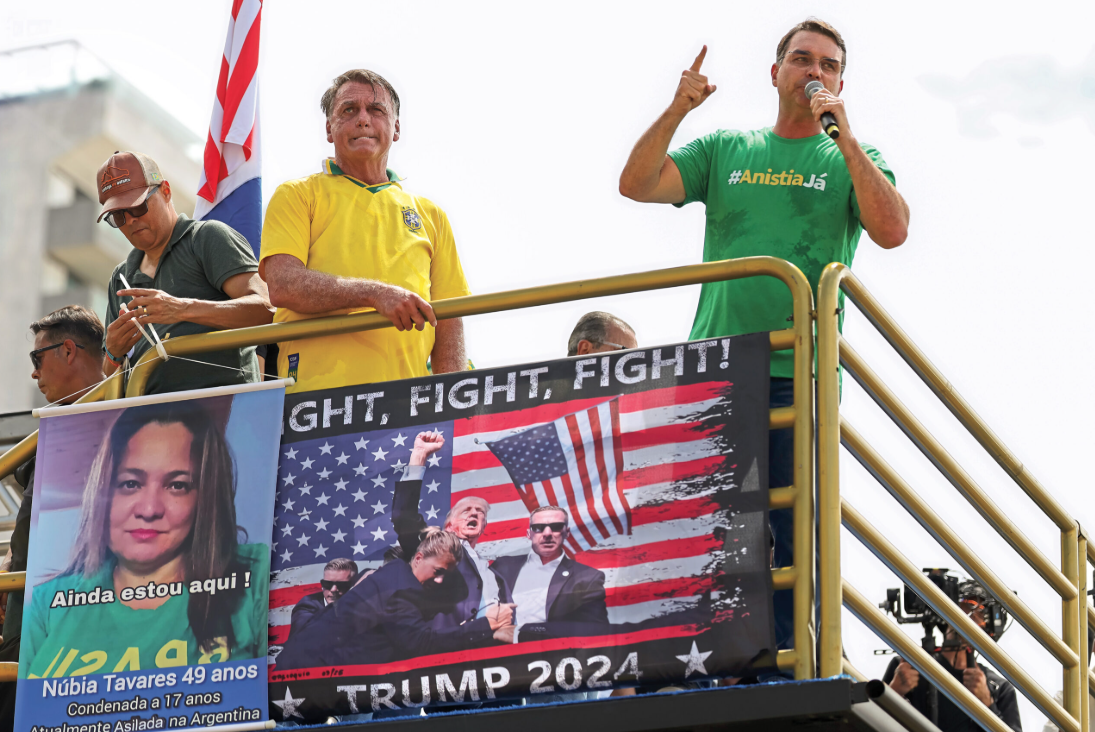
The newly elected Congress is also expected to incite law changes and roles within the court. Bolsonaro-aligned lawmakers have expressed interest in changing powers in the Supreme Federal Court and to pursue the impeachment of Justice Alexander de Moraes, who was heavily involved in the investigation of Jair Bolsonaro.
Bolsonaro remains imprisoned for his attempted coup against Lula in 2023, but is currently serving the remainder of his 27-year sentence at home due to poor health; approved by de Moraes, he remains a controversial figure within Congress among right-wing congressional candidates.
Economic Uncertainty
The economy remains one of the biggest challenges Lula is set to face during his next four years in office.
Throughout his campaign, Lula promised to continue investments in public services and improve living conditions for lower-income Brazilians. These priorities include programs such as Bolsa Família, which provides financial assistance to low-income families.
Despite these initiatives, Lula continues to face pressure from Congress and Brazil’s citizens as, according to Vanguard, the nation’s economic growth has stagnated significantly, and high interest rates are having crushing effects on businesses and consumers. The elevated national debt remains a large concern, as Lula’s administration will have to find workarounds to fund social programs without increasing the country’s debt—these issues could impose difficulties for Lula to keep his promises while maintaining control over government spending.
This sentiment is intensely important to voters in the United States, as economic struggle in Brazil is currently the largest driving factor for immigration into the US.
International Position
Becoming the face of your country comes with the challenge of dealing with foreign affairs and policy, and particularly its efforts to maintain positive relationships with countries of various political and economic associations.
Lula has sought to strengthen Brazil’s influence in international relations, one of these efforts being maintaining an active role in the BRICS group, which includes member nations in Asia, Africa, and the Middle East.
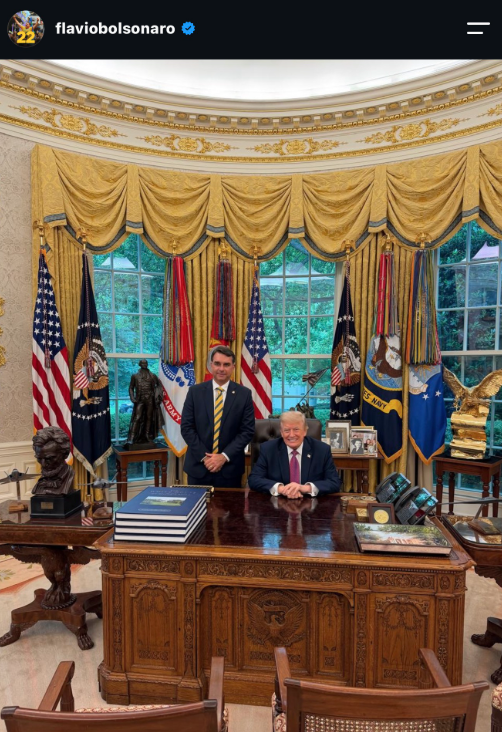
The US and Brazil have maintained over 200 years of diplomatic relations, yet since July of 2025, its relations have been profoundly strained since President Donald Trump announced he would impose an additional 40% tariff on Brazilian imports. President Trump’s friendship with former president Jair Bolsonaro also raises questions of whether or not the US will be involved in future affairs that involve the Bolsonaro cabinet.
Flavio Bolsonaro fled to Miami, Florida, just three days after losing the election, in which President Trump provided him and his family visas and personal approval for the stay. This led Brazilians to question Bolsonaro’s controversial decision to confide in the US for safety amid Senate changes and concerns regarding the treatment of Brazilians outside their country, such as deportation.
Brazilians have also questioned the future of their national security as Lula is outspoken and sharply critical of the Israeli government’s military actions in Gaza and other nations in the Middle East, publicly calling the conflict a genocide and calling out Israel’s Prime Minister for the approval and enactment of the military actions in the area.
Environmental Policy
Lula has previously supported stronger environmental conservation efforts to reduce deforestation. With Brazil notably being host to a significant 60% of the Amazon rainforest, it serves as a major oxygen powerhouse for the world.
The agricultural sector is an important part of Brazil’s economy, and debates over land use, environmental regulations, and economic development have historically created disagreements between government officials, environmental organizations, and agricultural producers.
During Joe Biden’s presidency, when Lula was also in office, both presidents “placed environmental cooperation” as a priority in the relationship between the two nations. There was a fund established in 2023 for conservation initiatives, in which they designated $38-53 million for it. The current administration has so far cut much of the funding for Brazil’s environmental matters, specifically USAID programs.
Political Engagement among Young Voters
Younger voting participation was an important part of the 2026 election, particularly as political polarization continued to shape national discussions. With social media becoming an increasingly important source of political information, younger Brazilians had more opportunities to learn about candidates, discuss political issues, and participate in elections.
Brazil allows its citizens to begin voting at the age of 16, with it being optional for those between 16-17 years old. The Superior Electoral Court (TSE) continued its incentives for the country to vote, notably for younger audiences through educational campaigns and online resources, including directions on the voting process and more.
Despite the efforts taken by TSE, youth registration decreased compared to the previous presidential election. According to their data, there was roughly a 15% decrease in younger voters’ registration. This result proved the expectation that there would be more young voter engagement through social media promotions to be false.
Voter Engagement in our Area
Malden’s very own Salemwood Middle and Elementary School held voting booths in the building, where Brazilians in the assigned counselor jurisdictions of Vermont, New Hampshire, Maine, and, of course, Massachusetts only could vote.
Official publicly available records revealed that the votes from the Boston region that were collected from multiple states across New England had a total of 19,304 official votes registered, in which Flavio Bolsonaro had the majority with 71.58%, receiving 13,605 votes, while Lula had 28.42% with only 5,402.
The Next Four Years
President Lula’s fourth term will bring intense legislative negotiations with a newly conservative Congress, significant fiscal and debt pressures, and a push to lower interest rates and improve complex foreign policy dynamics. With ongoing polarization, only time will tell to see if the Bolsonaro reign will impose an issue on Lula’s reelection and his plans for the term. As tensions between the United States and Brazil continue to develop, Brazilian immigrants are on their toes for signs of changes and future plans.
About the Author