Maeve McAlear also contributed to this article.
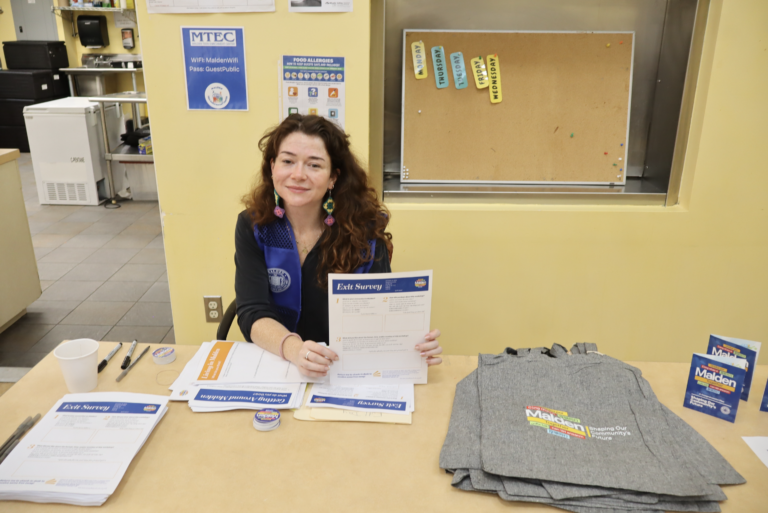
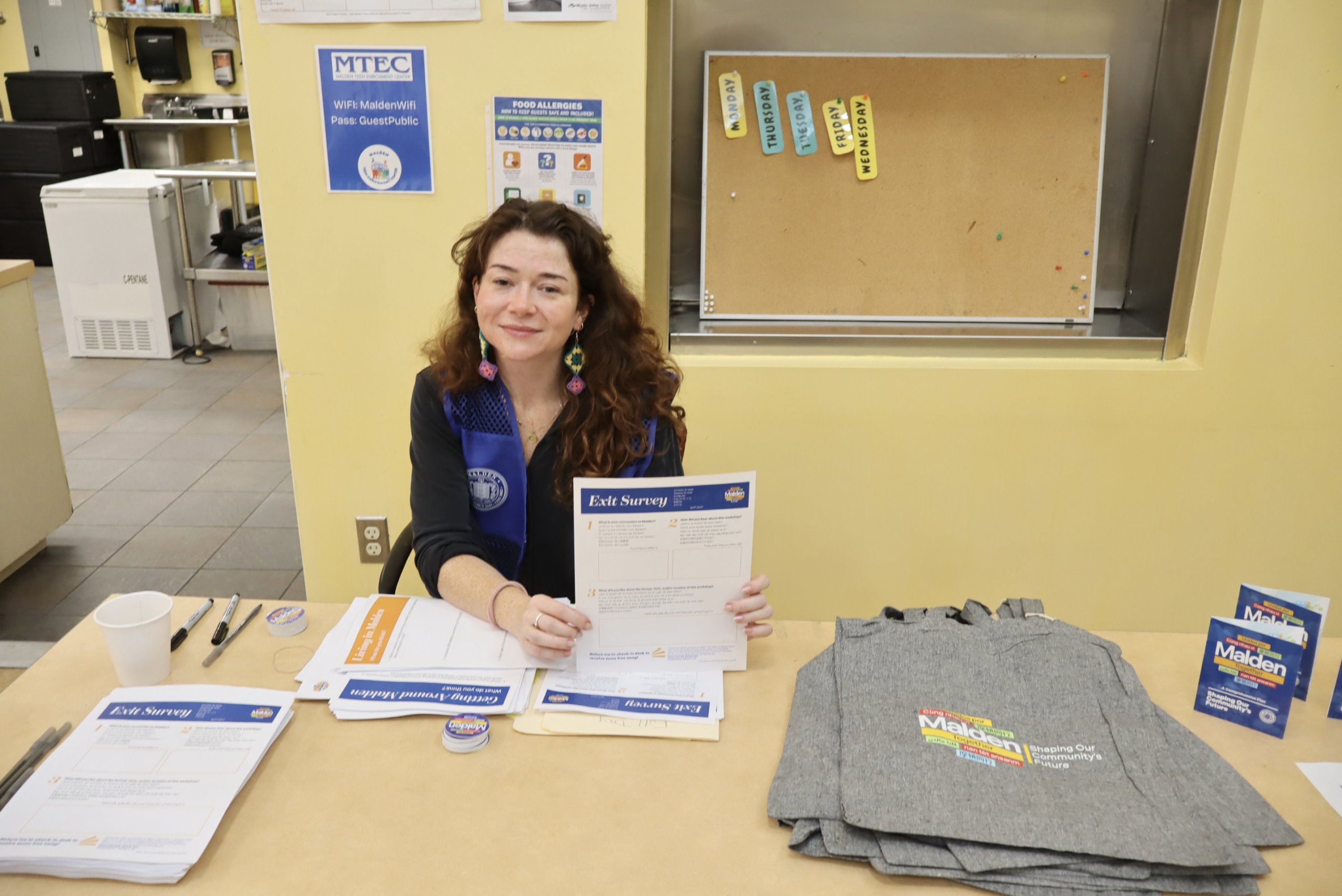
Malden residents gathered at the Malden Teen and Senior Center on Saturday, November 7th, to discuss the city’s future and share what they want to see change over the next 14 years. The Community Planning Workshop marked a major public meeting for Malden Together, the city’s new long-range comprehensive plan, which will guide decisions about housing, transportation, businesses, public spaces, and other community needs through 2040.
Organized by the city’s Office of Strategic Planning and Community Development, alongside the Malden Planning Board, the workshop invited residents to share their experiences and priorities. The city is working with a consulting team led by Agency Landscape and Planning professionals to develop the plan, which will build on Malden’s 2010 Master Plan.
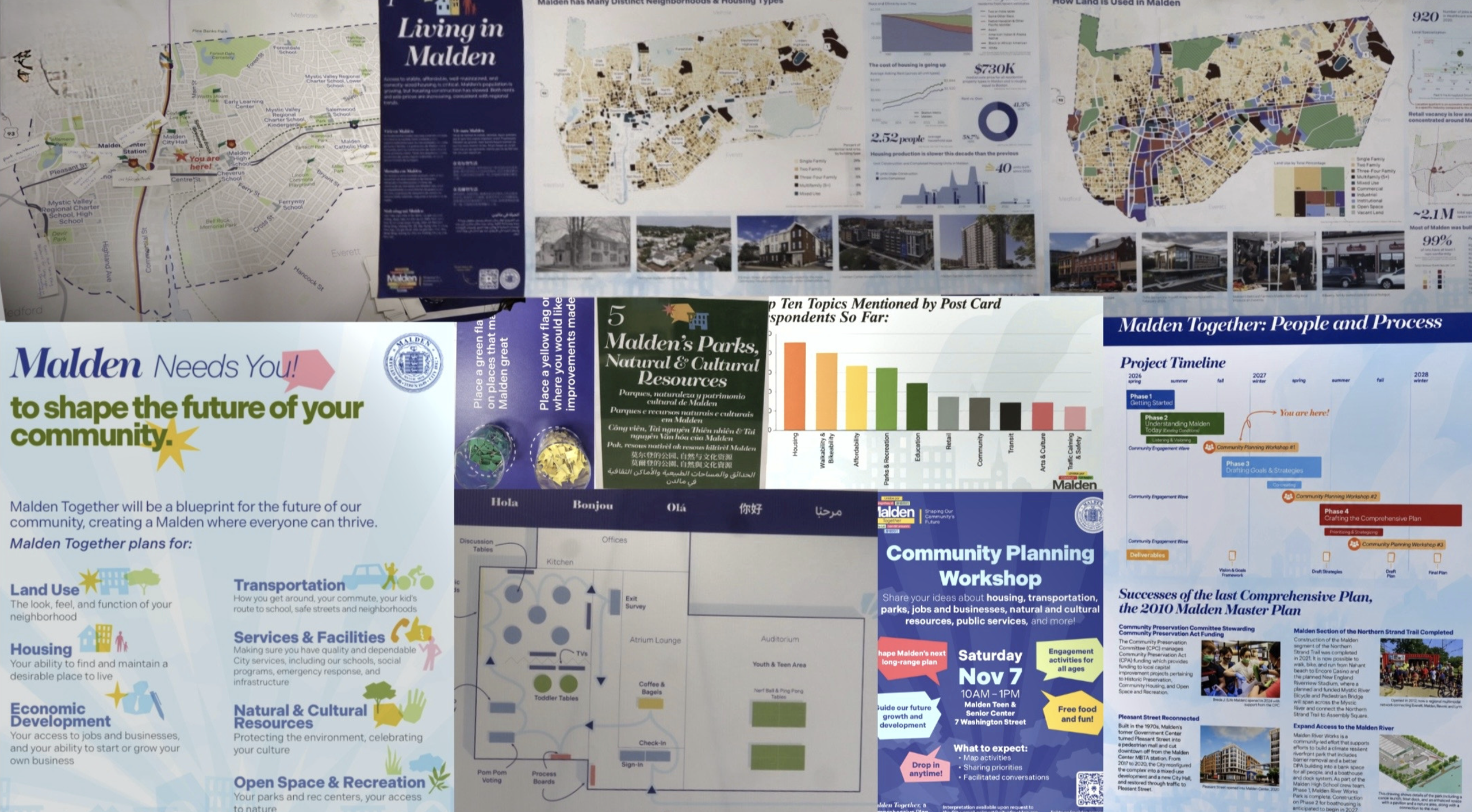
Allen Penniman, Senior Urban Planner at Agency Landscape & Planning and Project Manager for the consulting team, explained that the workshop was part of a larger community engagement strategy. “We just finished the existing conditions analysis, and so that’s kind of the theme of this one,” Penniman explained. “The second one will happen once we finish the sort of visioning phase, and then we’ll do one towards the end.”
“You get what you plan for,” Penniman warned. “If you don’t plan for how you want your city to evolve, it will happen in a haphazard way, or in a way that’s driven by other interests,” he added.
Maria Luise, Mayor Gary Christenson’s Chief of Staff as well as a member of the plans steering committee, similarly emphasized the importance of community participation. “The community makes up what Malden is. It’s very important to know how people feel about these different topics and what they want to see for the future.”

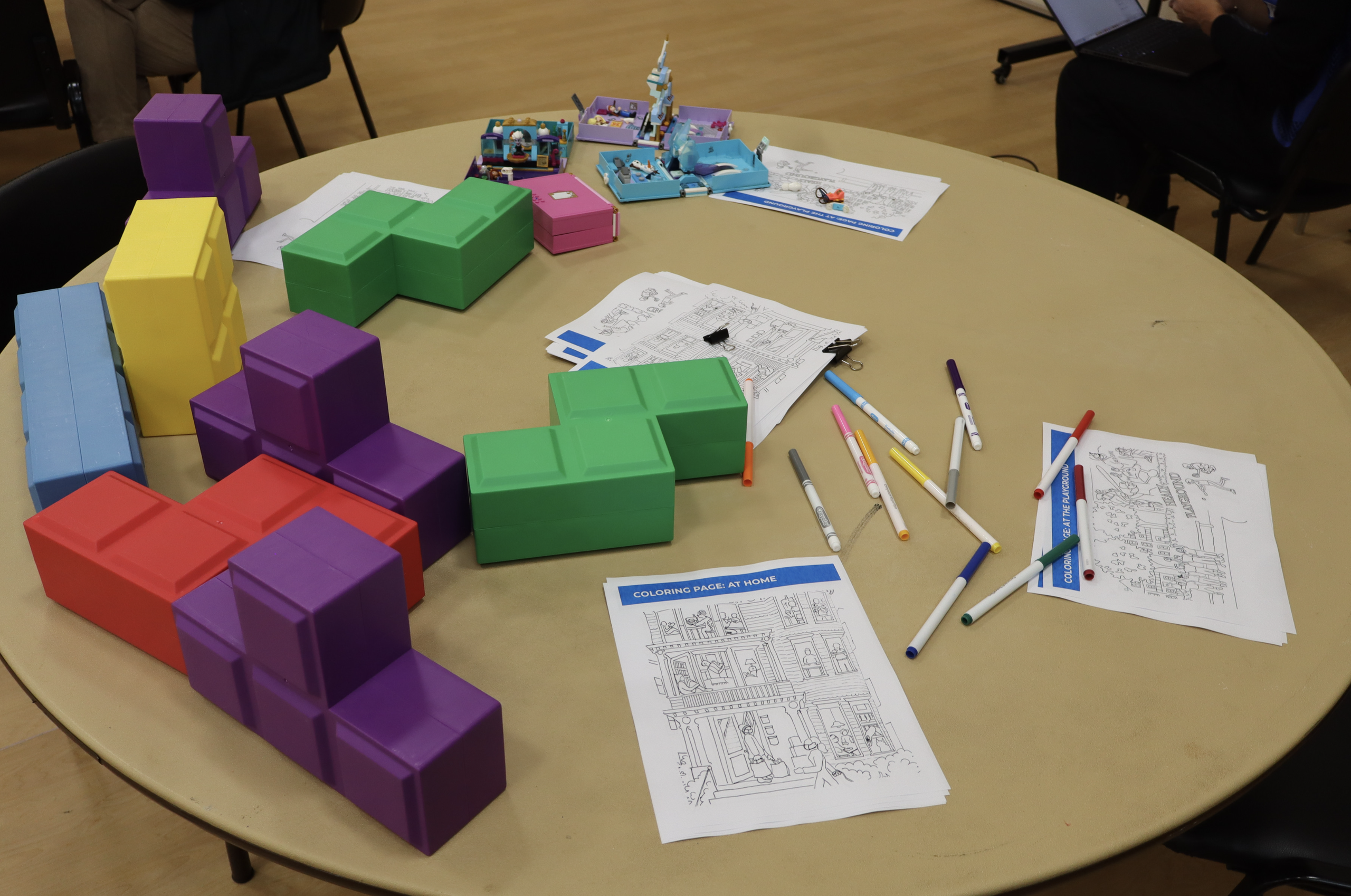
Throughout the center, participants engaged in interactive activities, including mapping activities and prioritization activities, to share location-specific feedback.
Senior Planner and Staff Project Manager Elena Eimert, called attention to residents expressing excitement about having an opportunity to discuss both the city’s strengths and its challenges. “At the end of this process, I want us to be able to very confidently say that we heard from and connected with a lot of Maldenians, and that the vision captured here for the next 15 to 20 years really does reflect that input,” Eimert expressed.
Penniman underlined affordable housing as a recurring issue during the workshop. He also acknowledged everyday maintenance concerns, including litter, trash collection, and park preservation as important issues that affect residents’ daily routines, all of which are a large problem nationally as well.
He also connected neighborhood disparities to historical inequalities; areas that experienced redlining and other discriminatory planning practices, such as the south of Eastern Avenue, continue to face environmental and socioeconomic challenges. Penniman acknowledged that the cause of this was that “it used to be a few typically white men in a room who were making decisions for everybody.” He referenced the closure of Pleasant Street, the development of Suffolk Square, and the effects of redlining as examples of decisions whose consequences continue to affect the city.
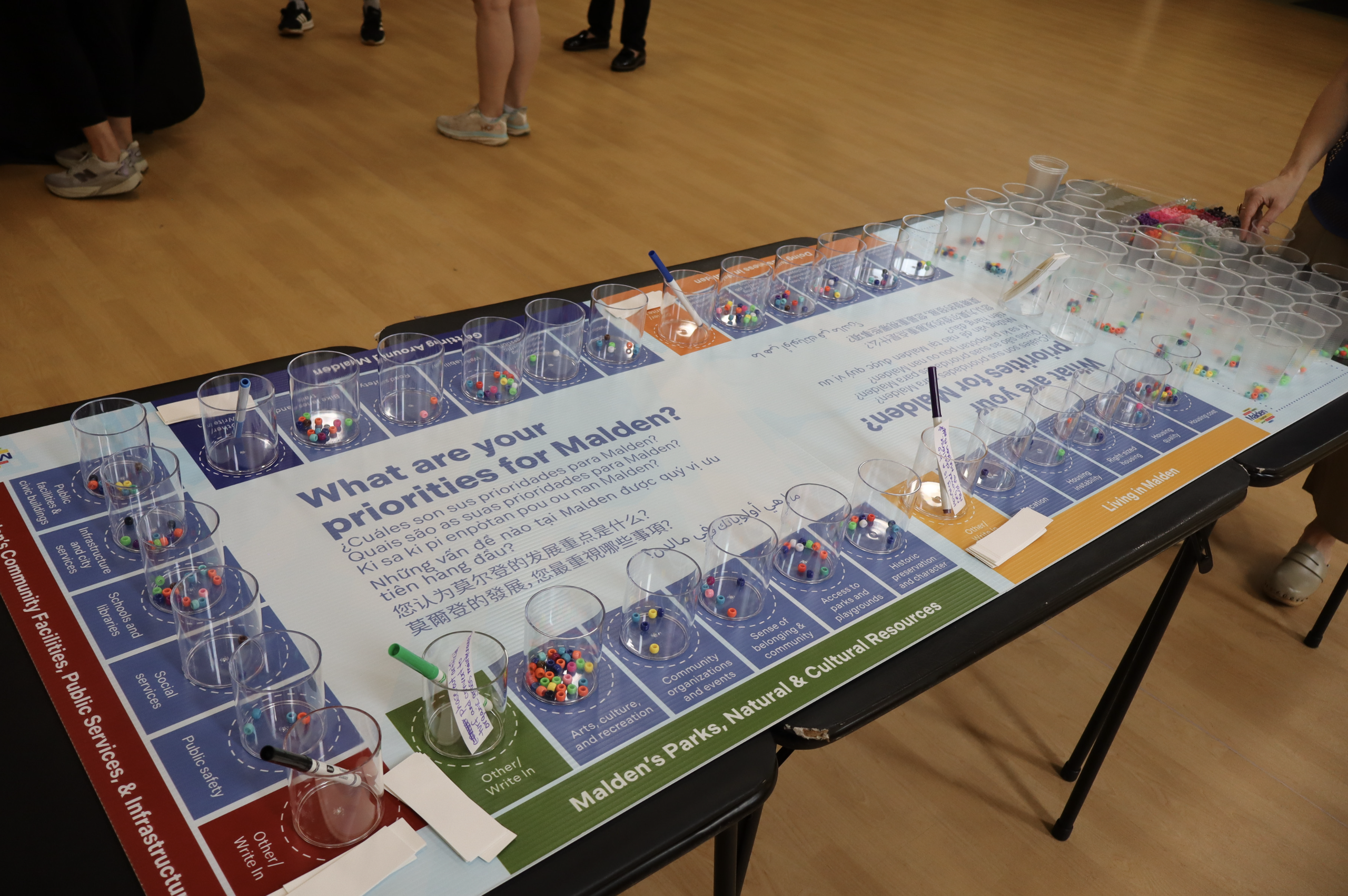
Ideas from residents about preserving the city’s suburban character were also mentioned by Penniman, while others want more housing, greater density, and improved walkability. “Those are very different visions, so that’ll be a challenge for the comprehensive plan: to try to serve everybody’s priorities and values,” he emphasized.
For Evan Le, a local business owner, one of his main priorities is creating an arts and cultural center where artists, performers, speakers, and entertainers could host larger events; a concern that he’s addressed with a lot of leaders in the downtown district as “there’s nowhere for people to host big entertainers and speakers.” Le also emphasized that the performances, galleries, and festivals attract visitors and support local businesses. “My wife is an artist, and I also consider myself someone who enjoys the city and the arts, making any place worth going to.”
Housing was another major concern for Le, particularly younger adults looking to establish themselves in the city. “Especially for when you get to your 20s and 30s, the housing situation in Malden is very tight, very hard to think about getting to that next step,” Le explained.
Further decisions regarding Malden’s future should account for the people that will experience the long-term effects, Le argued, highlighting the importance of younger residents contributing to community planning. He questioned, “What kind of future do you want to build in the city? Is it the one that’s centered on an old generation that already has a house, that already has laws catered towards them? Or do you want to build for the future?”
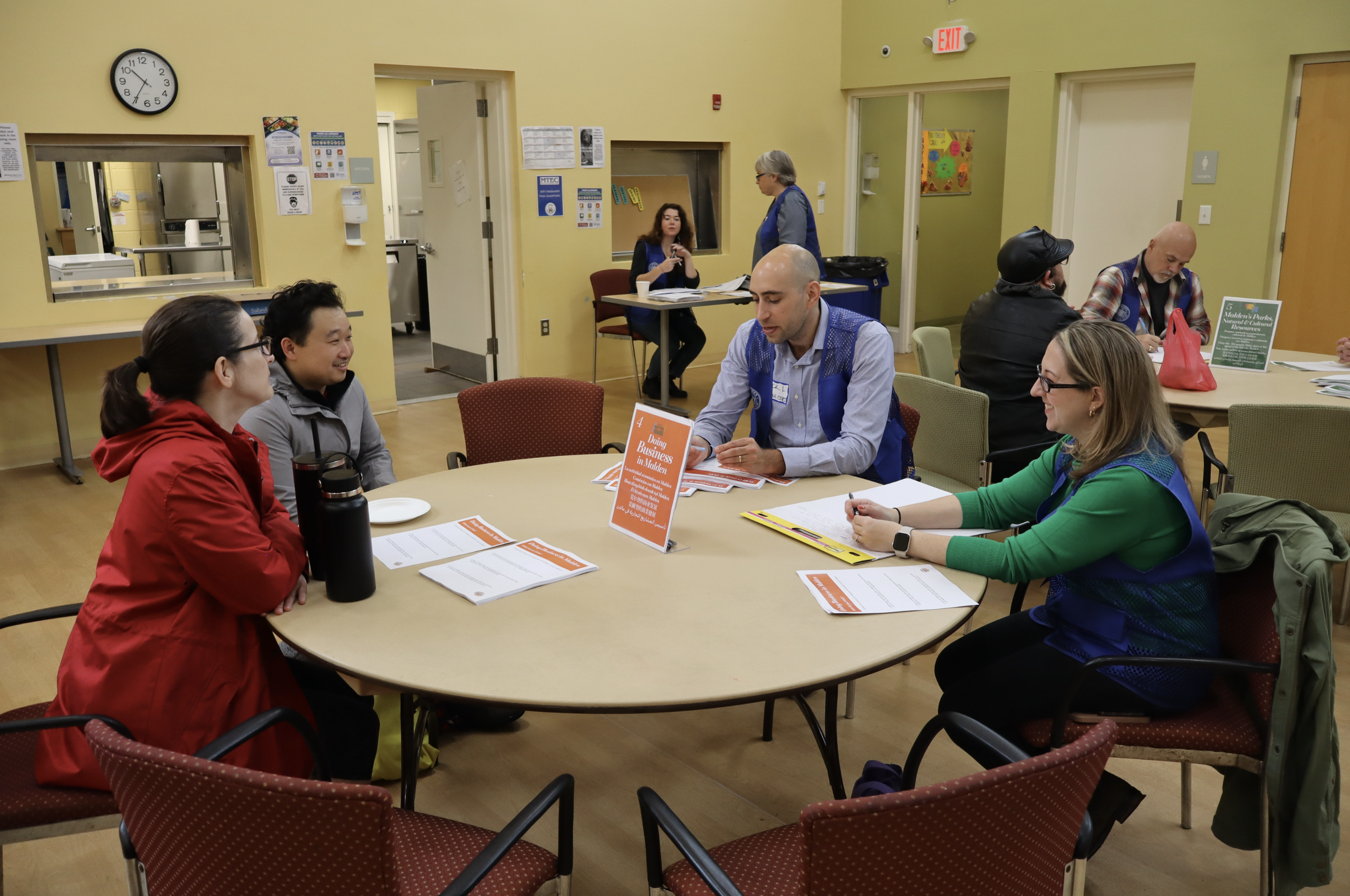
For some participants, attending the workshop was an opportunity to speak about issues they had experienced throughout their lives in Malden.
Kara Kelley, a lifelong Malden resident and Malden High School graduate from the Class of 1983, attended her first community planning meeting. Kelley’s connection to the city stretches across generations, with her great-grandfather building the house where she still lives, near Bell Rock Park.
Kelley spoke about the importance of maintaining Malden’s cultural diversity and ensuring residents feel represented in decisions about the city’s future. She reflected, “We’re finally embracing our mixing of cultures; we’re not just Irish or Italian anymore,” describing Malden’s change beyond its traditional identity as a predominantly white working-class community.
Kelley also expressed appreciation for the city’s downtown development, mentioning local destinations such as Gallery 57 and the gaming district as they contribute to a stronger sense of community, especially for younger residents.
However, she identified traffic safety as one of the most urgent issues facing her neighborhood. She remarked that speeding vehicles on residential streets create concerns for pedestrians: “The traffic, the absolute nightmare of commuter traffic in Malden, is like a raceway. Everyone’s trying to get everywhere.”
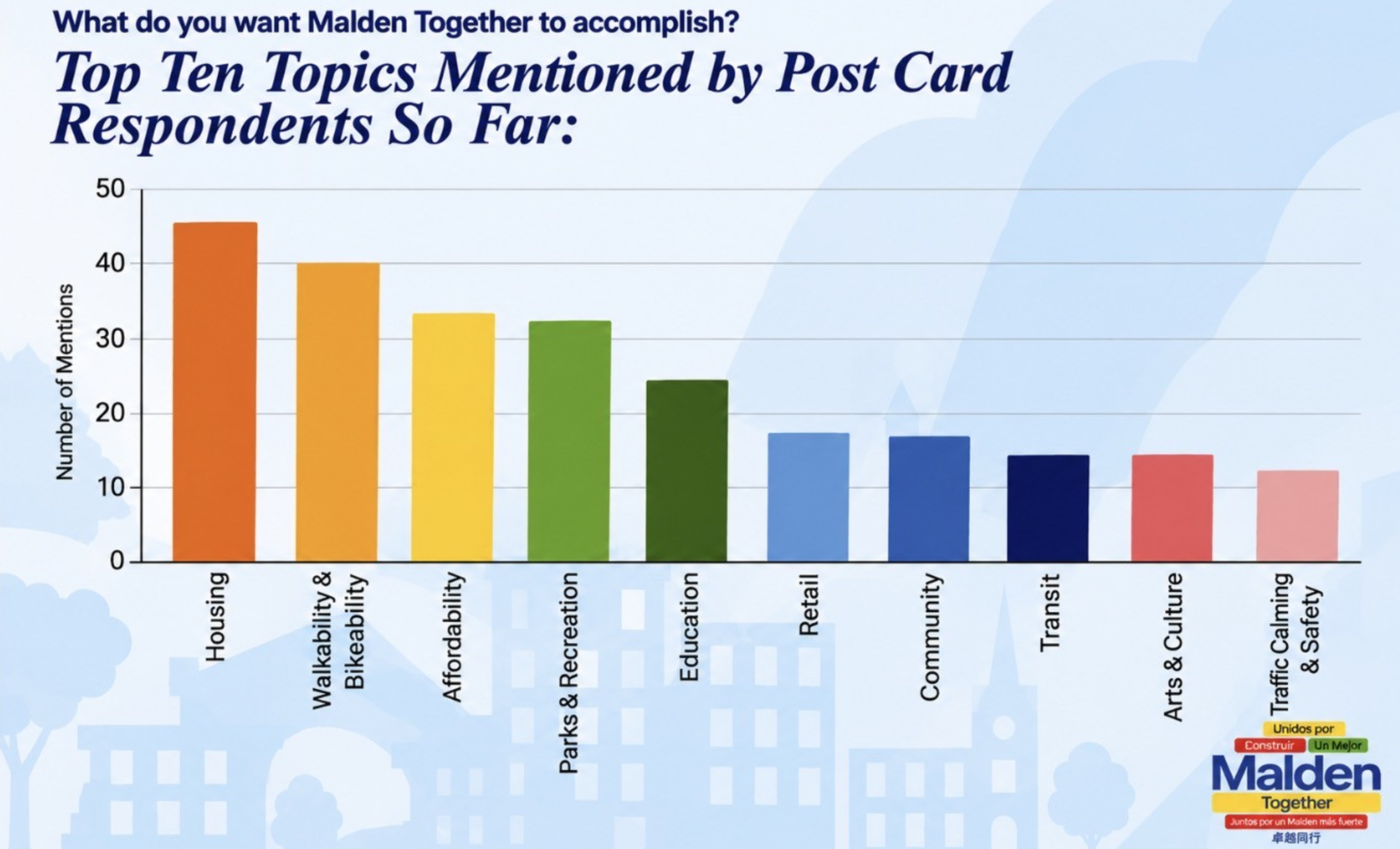
While the workshop attracted residents from different backgrounds and age groups, the limited presence of teenagers raised questions about how effectively the city is reaching younger residents. Junior Adam Mouiakkine, attended the workshop to represent his perspective as a teenager.
“A lot of the events are tailored to adult populations; there should be more opportunities for younger people to be more civically active. Ask a high schooler what is going on in the city, they’re going to answer, ‘I don’t know.’” Mouiakkine continued to explain that “if the schools or the city taught younger students more about how to get their voices heard, seeing what’s wrong with local affairs, and how to effectively advocate for better decisions,” more people would feel inclined to join these events.
Penniman stressed that the consulting team records every comment and pin submitted by attendees. The activities also have corresponding online questions, allowing feedback from different events to be compared by the Agency Landscape and Planning and organized, which city staff and the steering committee will examine from a broader strategic perspective to develop alternate visions for Malden’s future.
Luise confirmed that the residents will have opportunities to review the city’s progress since the city has monthly public meetings and “drafts will be circulated so people can review them ahead of time and give their feedback.” The planning process is expected to continue through early 2028, with 2027 focused on developing a shared vision and determining how Malden will put its goals into action. Then, the completed plan will go through a formal adoption by the City Council.
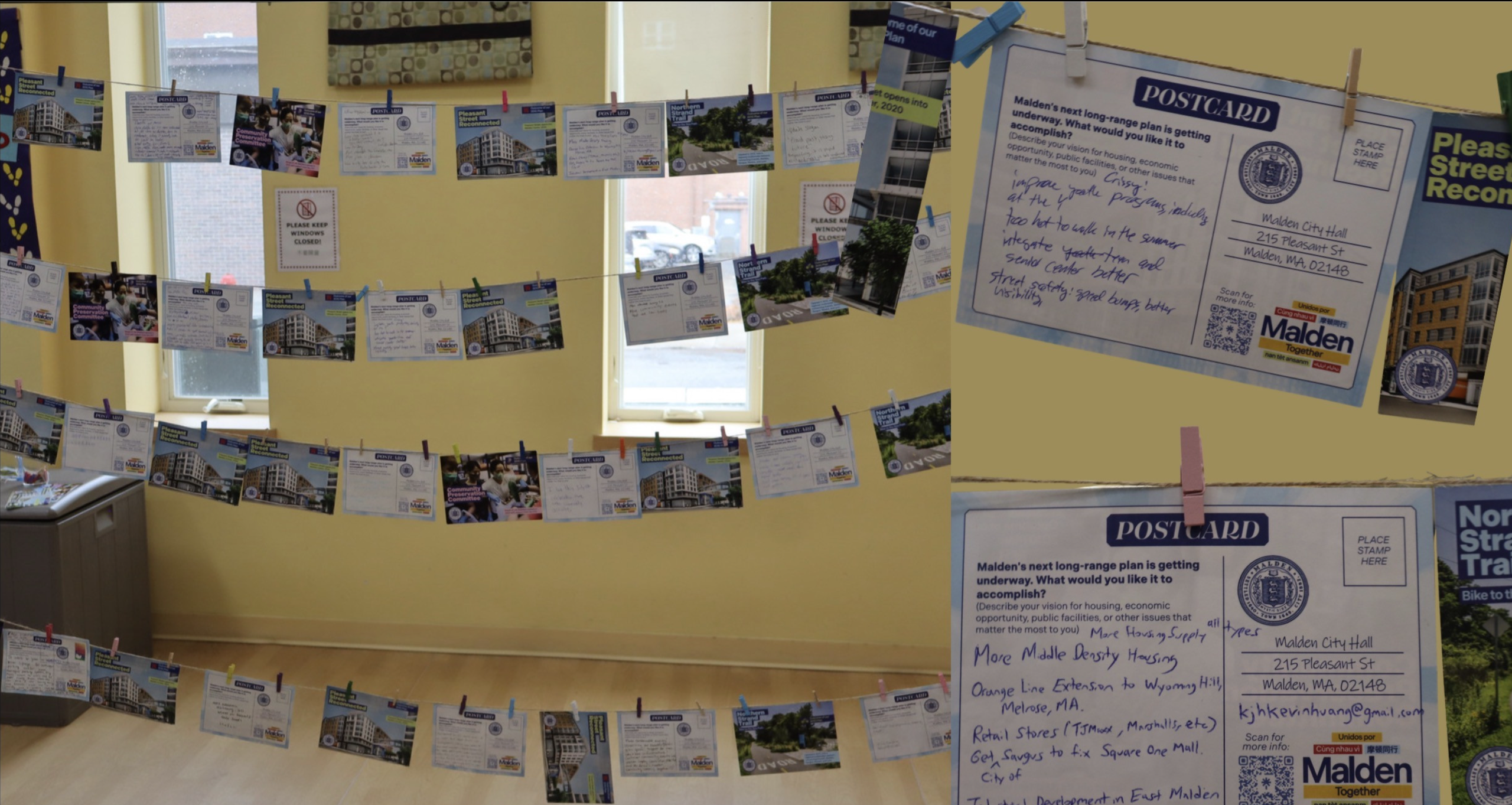
“I get it; write down a comment, and it goes into a black hole, right?” Penniman said. However, he emphasized that every response becomes part of the information used to establish community priorities. “If you don’t say anything, then your elected representatives can’t advocate for you because they don’t know what you care about. You lose perspective because you don’t speak,” concluded Penniman.
About the Author