For centuries, the Hispanic diaspora has solidified its position as a global powerhouse with its vibrancy, traditions, and cultural impact. From the rise of reggaeton and its distinctive high-energy sound to the revolutions that have reshaped the Americas, Hispanic culture will forever be a hub for excellence.
This year, September 15th marked the beginning of National Hispanic Heritage Month—its 58th year in celebration.
September 15th is particularly significant to the Hispanic community because it marks the anniversaries of independence for countries including Costa Rica, El Salvador, Guatemala, Honduras, and Nicaragua.
National Hispanic Heritage Month was first introduced in June 1968 by California Congressman George E. Brown, who pushed to recognize the contributions of the Hispanic community during the Civil Rights Movement. Before the observance officially became a month, it began as Hispanic Heritage Week in 1968 under the Johnson administration, then was later expanded as a 30-day period from September to October 15th by President Ronald Reagan.
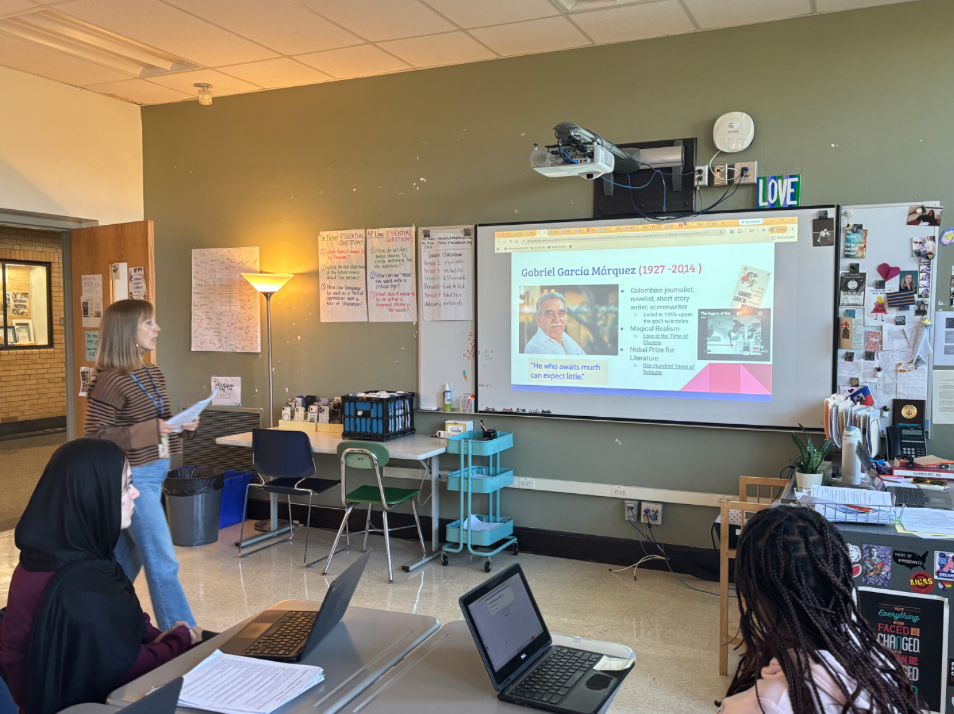
During the 1950s Chicano Movement, the Community Service Organization (CSO) was essential in helping register thousands of Mexican-Americans to vote. As time progressed, activism and protests against Hispanic racism have become more widespread throughout the U.S., empowering all Hispanic identities today.
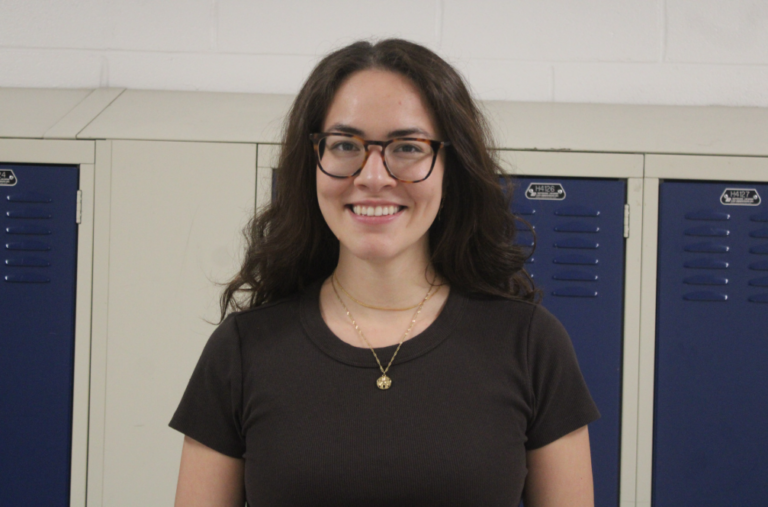
“Having a month dedicated to recognizing these contributions allows us to continue to celebrate our culture and feel appreciated,” proclaimed junior Johanna Martinez, who is of Salvadoran heritage.
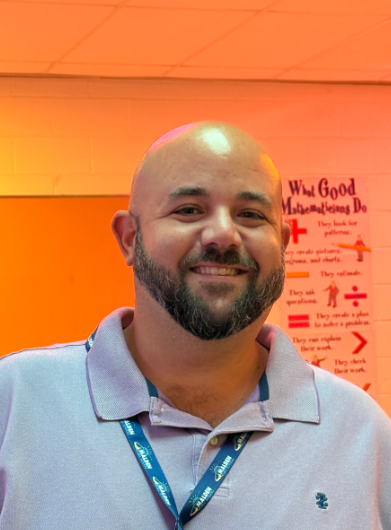
Hispanic Heritage Month is characterized as a month that “encapsulates the richness of the Hispanic community,” declared Spanish teacher Robert Grinnell.
The richness of Hispanic culture begins with its African and Indigenous influences and extends from the vibrant tapestry of women’s clothing to the achievements of those who have paved new ways, like Roberto Clemente and Rita Moreno.
In recent years, modern-day Hispanic icons are utilizing these pathways to break new barriers and acclaim the culture and values to the new generation.
Hispanic individuals have made great contributions across politics, the arts, sports, and other fields; notable figures include Supreme Court Justice Sonia Sotomayor, Tony Award-winning actor Lin-Manuel Miranda, and global superstar Bad Bunny, who notably headlined the Super Bowl LX Halftime Show earlier this year.
“It makes me more excited to be able to go out and say, ‘Yeah, I’m Hispanic,’” expressed junior Sofie Rivera, who is of Salvadoran heritage. “I think it’s important that we have that representation because that way, we can feel more seen and heard.”
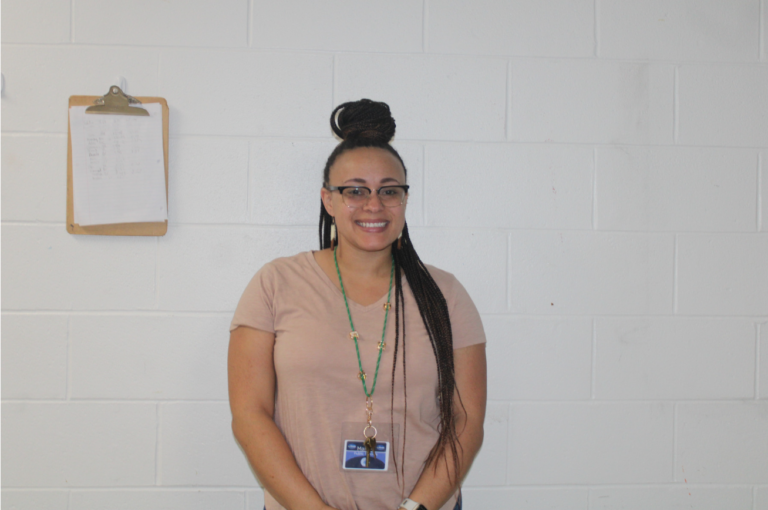
As minorities, Hispanic representation—alongside other ethnic groups—is vastly important in “our unified American culture,” stated English teacher Yahaira Marquez, who is of Puerto Rican heritage.
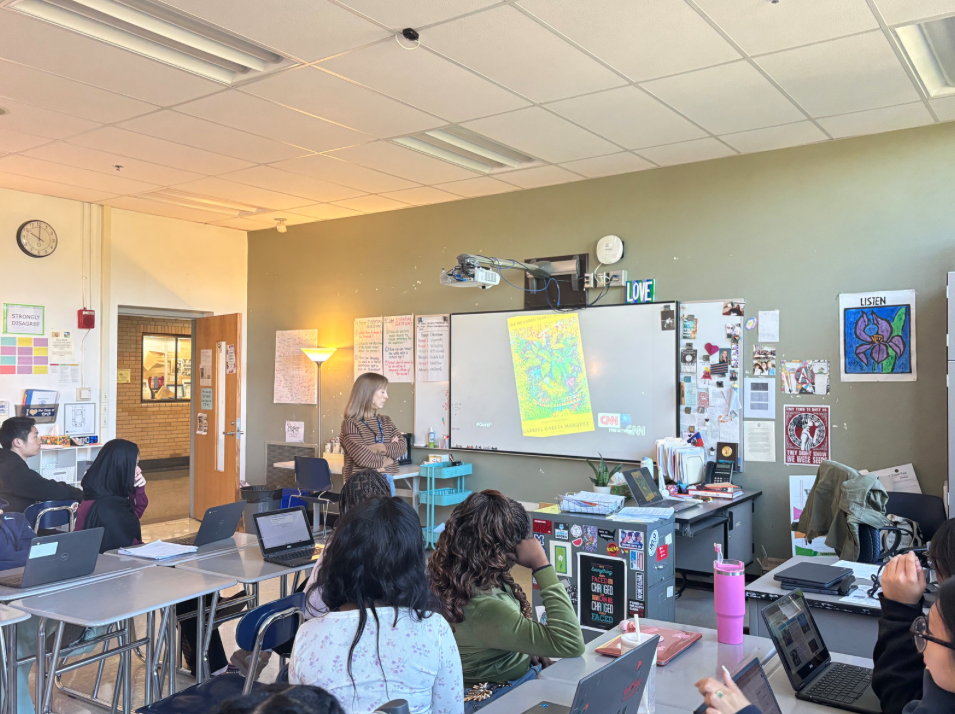
Coming from Colombian heritage, junior Salma Valencia Montoya voiced that “Hispanics make up a big chunk of this country, and we bring a lot of things such as culture, cuisine, and innovation.”
In 2024, the U.S. reached a Hispanic population of 68 million, making up 20% of the general population. Hispanics largely contribute to the cultural and economic growth in the U.S., with more than five million new businesses across the country being Hispanic-owned, creating around 3.9 million new jobs and generating $800 billion in sales per year.
With the work of the prominent Hispanic population, the U.S. has evolved into a multicultural sphere with a bustling economy and diverse population. So answer this: Who would we, as Americans, be without the Hispanic community?
“It’s important that people recognize that we have done a lot for this country as a whole, and our culture is rich and admirable,” concluded Valencia Montoya.
About the Author