They say a picture is worth 1,000 words. If so, a cartoon drawing must be worth a million.
Whenever you hear cartoons or comics, your mind may think of wacky shenanigans or action-packed superheroes that you could jump into from practically anywhere, ranging from professionally thought-out comics that are digitally inked to the crude doodles in your notebook.
The process of designing these is a unique experience for everyone, and one that should be greatly appreciated. Cartoons are not there just to make us laugh and take us away from the stress of daily life; they are there to induce emotions, make us think about things, tell us stories we may never think of telling, and they can be our creative outlet.
With that being said, here’s a look at the adventurous and unique experience of cartooning, from teachers to students, alongside some tips for aspiring cartoonists!
Inspiration for Motivation
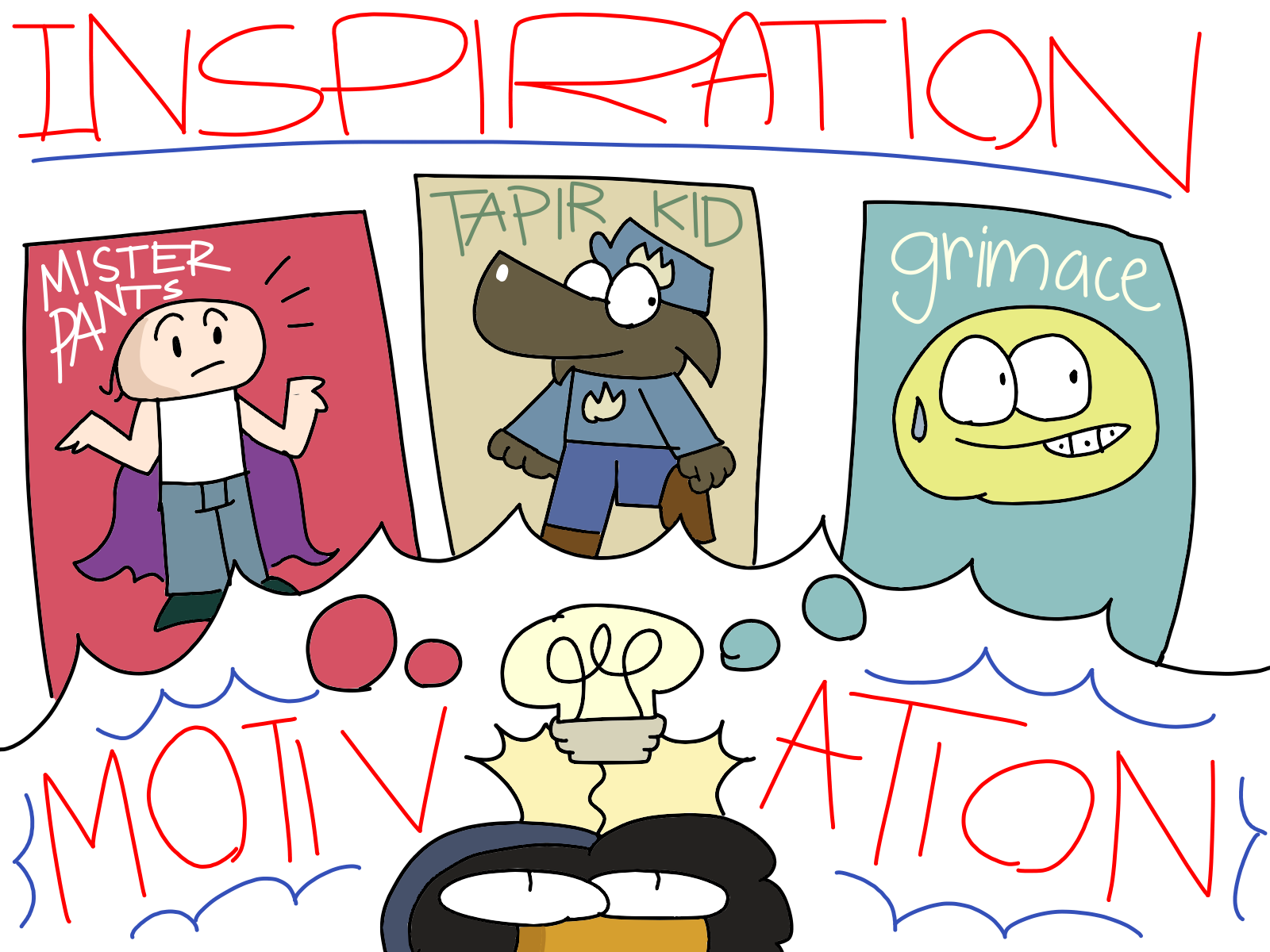
Every great artist has to get their ideas from somewhere. There’s a good chance the artists one aspires to be like had their ideas come from somewhere else. Who knows, maybe in the future, you could be the artist someone is inspired by.
A good example of seeing the influence of inspiration is through local MHS cartoonist Richard Cortese, known by many as Richie. His “main influence is Dav Pilkey,” a well-known neurodivergent illustrator known for his crude yet hilarious series, Captain Underpants and Dog Man.
Cortese noted how “his books were really inspirational for me,” which motivated him to start making “his own series of cartoons and comic books.” Cortese’s other inspirations included “Mo Williams, Charles Schultz”, among others. Cortese’s series, Teen Daze, posted on The Blue and Gold, was inspired by his “love of gag cartoons.” Cortese continued that he hopes to “make comics” when he is older.
The same goes for sophomore Jeremiah Christalin, whose art style was mostly influenced by Cartoon Network shows like OK. KO., which he “really liked as a kid.” He also enjoyed “Craig McCracken, all of his shows,” such as Wander over Yonder.
If you want to have your own ideas, you have to see others’ ideas first. It’s not bad to not be the most original or creative at first, as long as you put your own twist on what others have done. Comic artist Raina Telgemier emphasized that, “the best way to learn how to write is to read. The best way to learn how to write and draw comics is to read comics.”
Starting Early
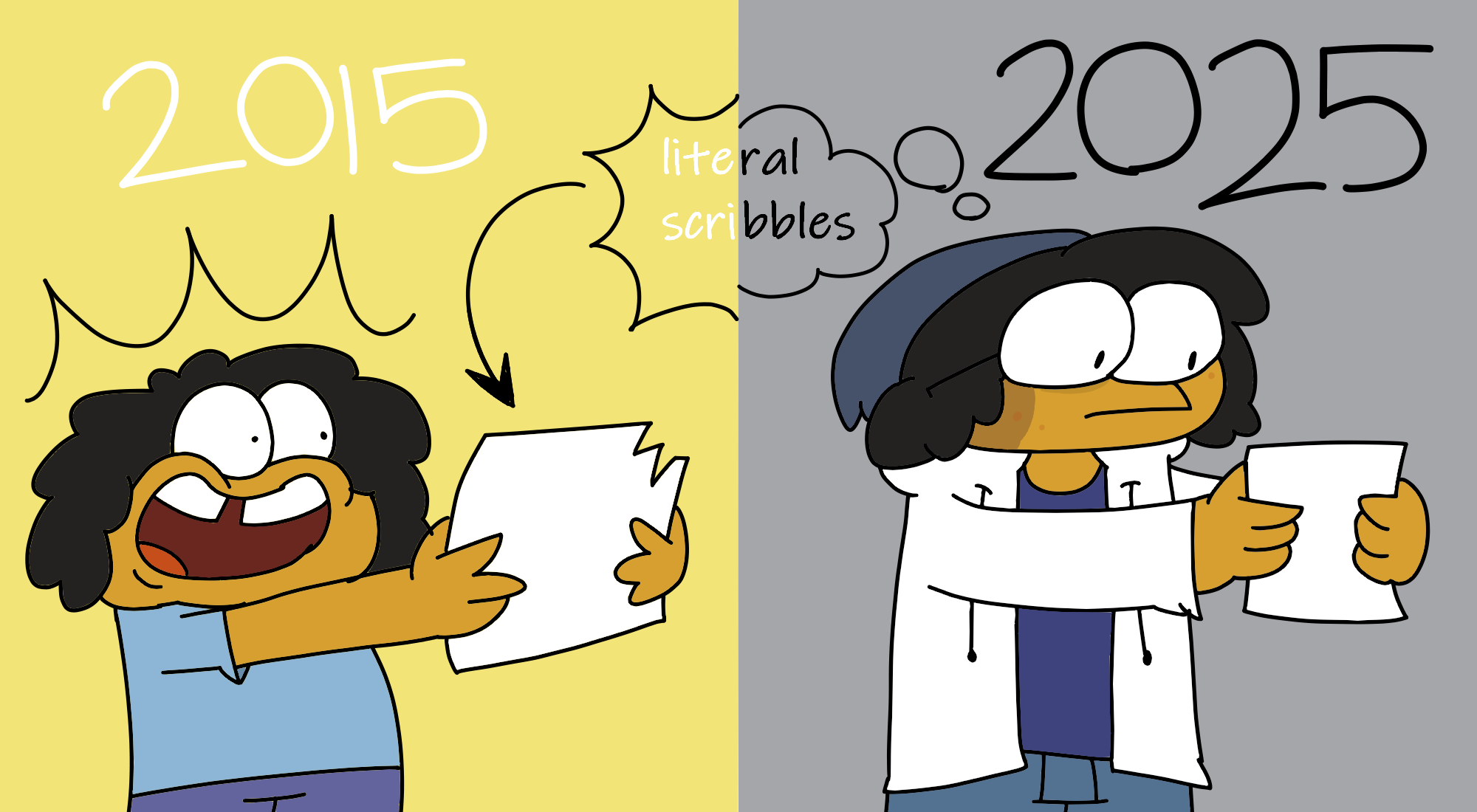
There’s a high chance that the earlier you start something, the more likely you’ll keep doing it down the road. It’s a basic motivation strategy, and the same applies to cartoonists. According to wunc.org, renowned Malden comic artist Keith Knight believes that he’s been “a cartoonist since he was in diapers, doodling on the walls of his family home near Boston.”
Later on, he would create his own comic books in school. Soon, he began drawing “strips for the Blue and the Gold,” allowing him to share his stories and humor. That’s how one should start out: simple and slow.
You can’t expect to become a famous, expert artist overnight. Nor should you want to be. Remember: you’re still young, so even if you have a small fanbase, it’s still a good start. As you continue to learn and progress, you start expanding your horizon.
A good beginning might be uploading your art to websites and between friends. Social media can be extremely helpful in sharing them. You can “build an audience and build up a body of work before you know it,” Telgemier advised. Expand your horizon however you want to be. You don’t have to do it all at once, of course. Do it at your own pace.
Between You and Mediums
You’ve probably seen cartoons from everywhere, and there are many media platforms used to share them. Comics and graphic novels immediately come to mind, where they tell written stories via drawn panels.
These are especially appealing to pre-teens and early teens. Librarian Stephen Nedell stated he got “into comic books right around middle school.” Knight believes the best option “to have a viable career as a cartoonist,” is to “try to come up with a tween book series like Dog Man or Diary of a Wimpy Kid,” which a lot of authors have begun with.
Aside from visual entertainment, Nedell finds them to be “a great way for students who experience modern literature, stories that speak to them,” and “a great way to retell a story with a modern context.” After all, more students have adapted to more visual and physical storytelling than traditional novels. Famous literature like Frankenstein to Romeo and Juliet have adaptations that can introduce students to them more easily, without sacrificing too much of the story.
Nedell also believes graphic novels are spectacular for language learning as well. Cartoon visuals are perceived the same by everyone; they are a “great way for English Language learners to improve their reading abilities,” or for those who are learning another language.” This can “bridge cultural gaps,” and unite students of different ethnicities.
Christalin has also said drawing helps him communicate better: “It’s just easy to express yourself when you do it; when I’m writing, I’m not the writer, so I can’t really do that. Drawing is the best way to express myself.”
Aside from graphic novels, there are a lot more places where your art can be shared and accessed. Political cartoons can be featured in the newspaper, they can be drawn on the flashcards you use to study for class, and can often be shared between friends online or in real life.
Maybe you’ve heard more professional artists compliment the value of an artwork, or seen on social media certain art styles being deprecated. This stuff can make you worry and desperately want you to improve your art quickly.
Cartooning ironically requires knowing plenty about body structure, anatomy, and proportions, so you can intentionally play around with them. Every cartoon character has its own unique shape, color, and things like that—but they still follow a set of rules so that they can be drawn well.
In the future, you can start experimenting with stuff beyond your normal skill set, utilizing various sites online and books available. You’ve also heard the usual advice: practice.
“It’s like slam-dunking basketballs, throwing darts, or playing piano… the more you do a thing, the more you improve at that thing, whatever it may be,” as Rina Piccolo best put it. Realistically, if “you don’t draw and write on a regular and frequent basis, then you won’t see much progress,” so you have to keep up a momentum.
Closing Off
Since the dawn of time, art has been one of the most powerful forms of expression, and it has remained that way for a good reason. No matter their style or skill, every artist has a story to tell in their own unique way.
Maybe you have a story you want to tell. Tell that story- not only the way you want it, but the way it will have an impact.
About the Author