Lunar New Year, also known as Chinese New Year or Spring Festival, marks the beginning of the lunisolar calendar and symbolizes renewal, reflection, and hope for prosperity in the year ahead. Each year is assigned to one of the twelve Chinese zodiacs; this year is the Year of the Horse, symbolizing rapid change, freedom, and energetic, bold action. In Asian communities around the globe, streets come alive with vibrant red decorations, fireworks, and festive gatherings.
Unfortunately, some areas do not celebrate the new year with the same intensity. For families who have moved away from their motherlands, the holiday can feel quieter and less spirited than the celebrations they are used to. Revere High School freshman Mel Vo described her first Spring Festival in Malden as feeling “pretty bland and boring,” compared to the lively festivities she experienced in Vietnam.
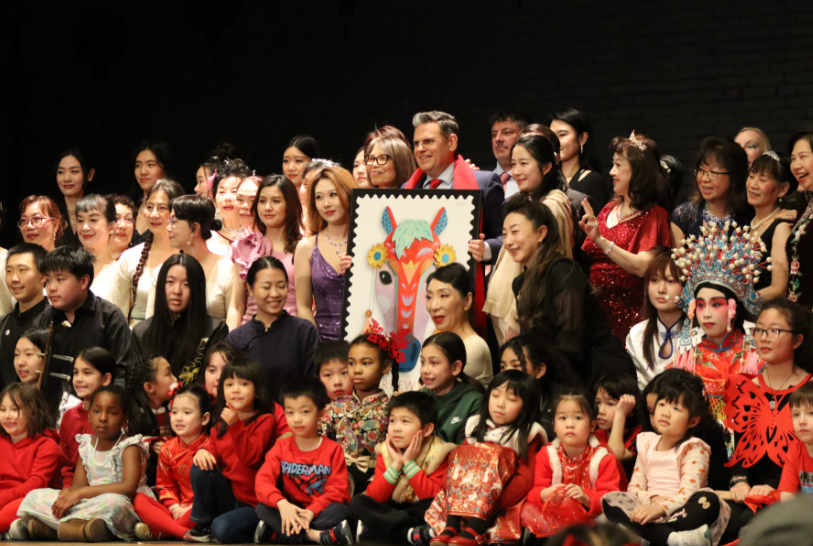
In an effort to foster Malden’s spirit, the Chinese Culture Connection hosted their 17th annual Lunar New Year celebration on February 7th, 2026. Held at Malden High School, the event transformed the halls of the school, filled with stands offering different hands-on activities, crafts, and traditions centered around the festival.
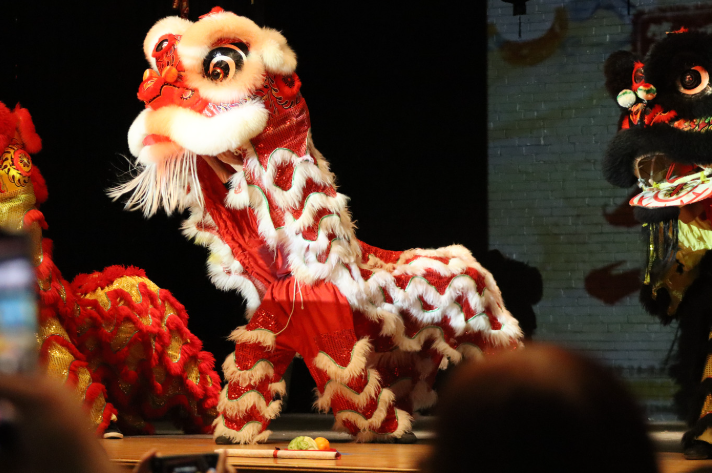
The highlight of the event was the festival performances. The program kicked off with an energetic lion dance, immediately captivating the audience. Performed by two dancers inside a single lion suit, the pair skillfully mimicked a lion’s movement to a loud beat of gongs, cymbals, and drums. Traditionally, the lion dance is meant to ward off evil spirits while bringing in good luck, prosperity, and joy.
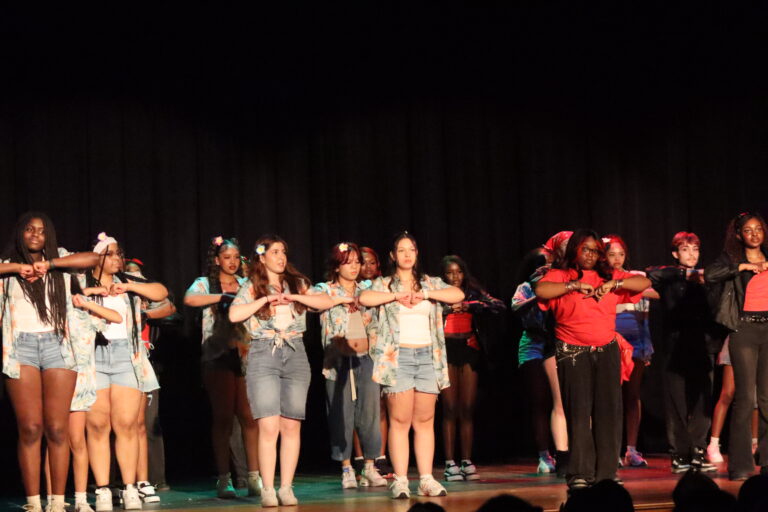
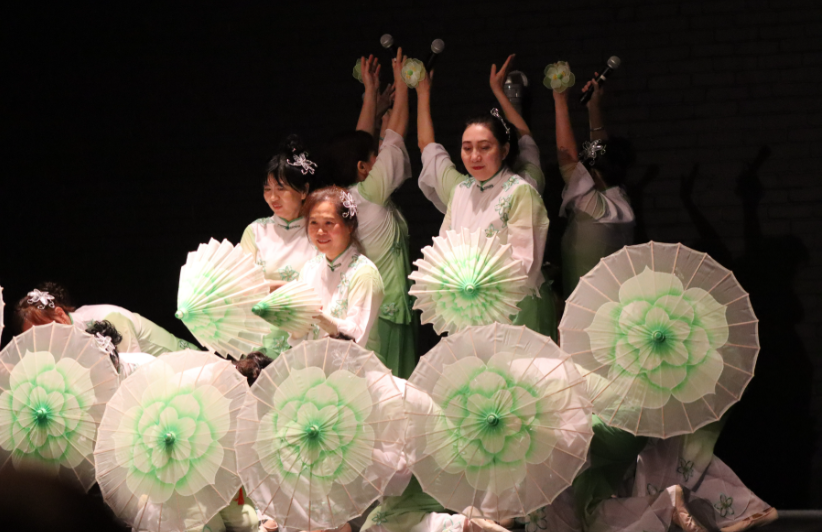
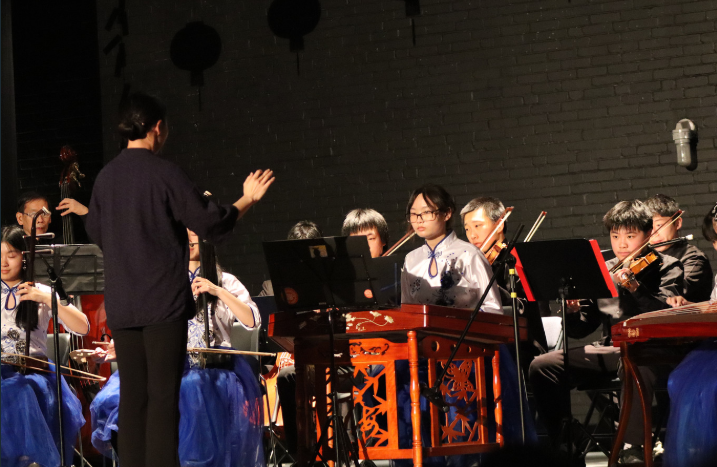
Following a speech from Chinese Culture Connection executive director, Mei Hung, and Malden Mayor, Gary Christenson, the show continued with a showcase of artistic acts. The stage filled with a variety of performances, including traditional and modern dances, vocal performances, poetry recitations, and storytelling.
For many, a big part of the tradition around the Spring Festival is the opportunity to bring together family and community. To sophomore Ella Wong, “Chinese New Year means coming together as a family and spending quality time with each other,” emphasizing the importance of unity during the holiday.
Sophomore Liliana Lin agreed with this sentiment, recalling how “after a somewhat busy day at the restaurant” with her family, they would “sit down to have things like lobster, ricecakes, steamed fish, stir fry vegetables, and more.”
The new year is also often known to bring new luck and fortune to the people. Many Asian cultures have long-held superstitions to protect this luck, such as avoiding cleaning during the festival period as to “to not clean away any fortune or luck,” Lin explained.
Others find ways to welcome more luck into their lives through symbolic gestures, “I always make sure to put a tangerine on my desk as it symbolizes a sign of goodluck for studies,” Wong shared. Meanwhile, other families spread fortune by going around their neighborhoods and “saying good things and wishing people luck,” said Vo.
While the new year represents “a fresh start for every Asian family that celebrates,” as Vo stated, Lin concluded that it also serves as “a reminder to look around us and appreciate” the fortune and community that surrounds us.
About the Author