Kayla Turner also contributed to this article.
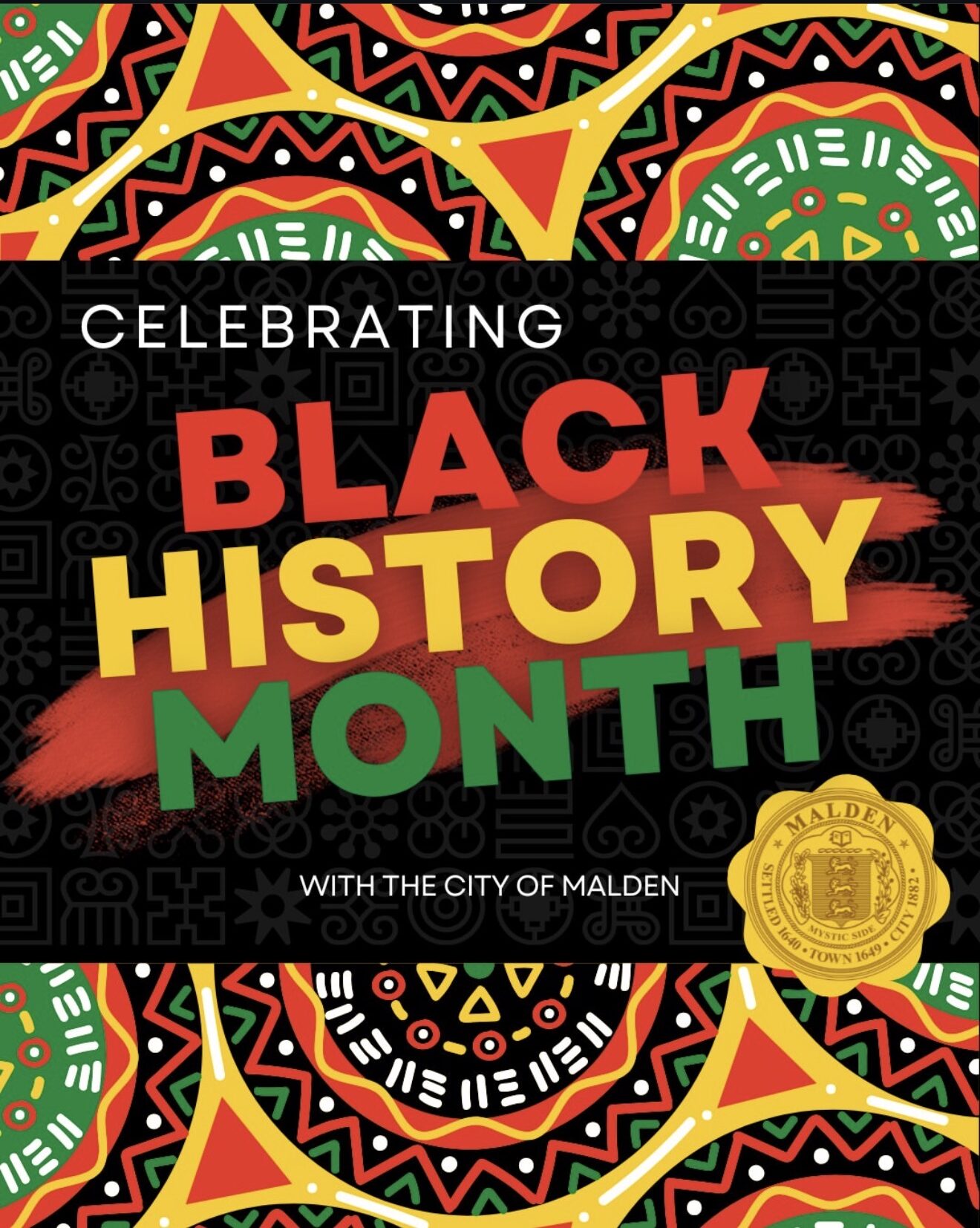
Excellence, community, and strength are just a few words Malden High students use to describe Black History Month.
February was chosen as Black History Month because Abraham Lincoln’s and Frederick Douglass’s birthdays fall within this month, two figures who played major roles in ending slavery.
February marked the 100th anniversary of Black History Month, a time to honor the triumphs and works of African Americans and those of African descent. It is a “remembrance of Black culture, movements, and figures,” stated Black Student Union president, junior Venusia Teklu.
In the United States, slavery lasted from 1619 to 1865. It was a prominent issue in the U.S., leading to the abolitionist and civil rights movements. Black History Month not only shines a light upon centuries-long discrimination, but it also focuses on the accomplishments made by Black Americans. “Black History Month is a time to share Black culture and Black joy with other people,” explained social worker Taysia Holmes-Maxwell.
Black History Month allows people to “better understand how the past shapes present-day issues,” while also reminding society of “the impact Black Americans continue to have today,” stated sophomore Neitsy Philome.
Black history is fundamental to Massachusetts; in 1955, Dr. Martin Luther King Jr. led the first Northeastern civil rights march in Roxbury. Throughout history, Massachusetts has been a hub for Black activism, with the African American communities of Boston leading the fight against injustice and slavery. “Black History Month is a time period where we can celebrate our ancestors’ work,” expressed sophomore Phalangecia Marie Jean Charles.
Unfortunately, the events surrounding slavery have been watered down and are not shown as harsh as they actually were. Holmes-Maxwell added, “History can be really hard to engage with, but that doesn’t mean that we shouldn’t know the truth.”
There have been many events around the Boston area to discuss and display the achievements of African Americans. For example, the Museum of African American History and the Museum of Fine Arts Boston are both hosting events this month to celebrate Black history. But one question arises: what is Malden doing?
In Philome’s eyes, Malden does not do enough “for us or any culture” and the city should raise “a little awareness” for cultural heritage months as a whole. On the other hand, Teklu expressed that Malden is “doing a lot” to commemorate this month, noting that there are “so many events” that the city conducts and other Malden businesses host.
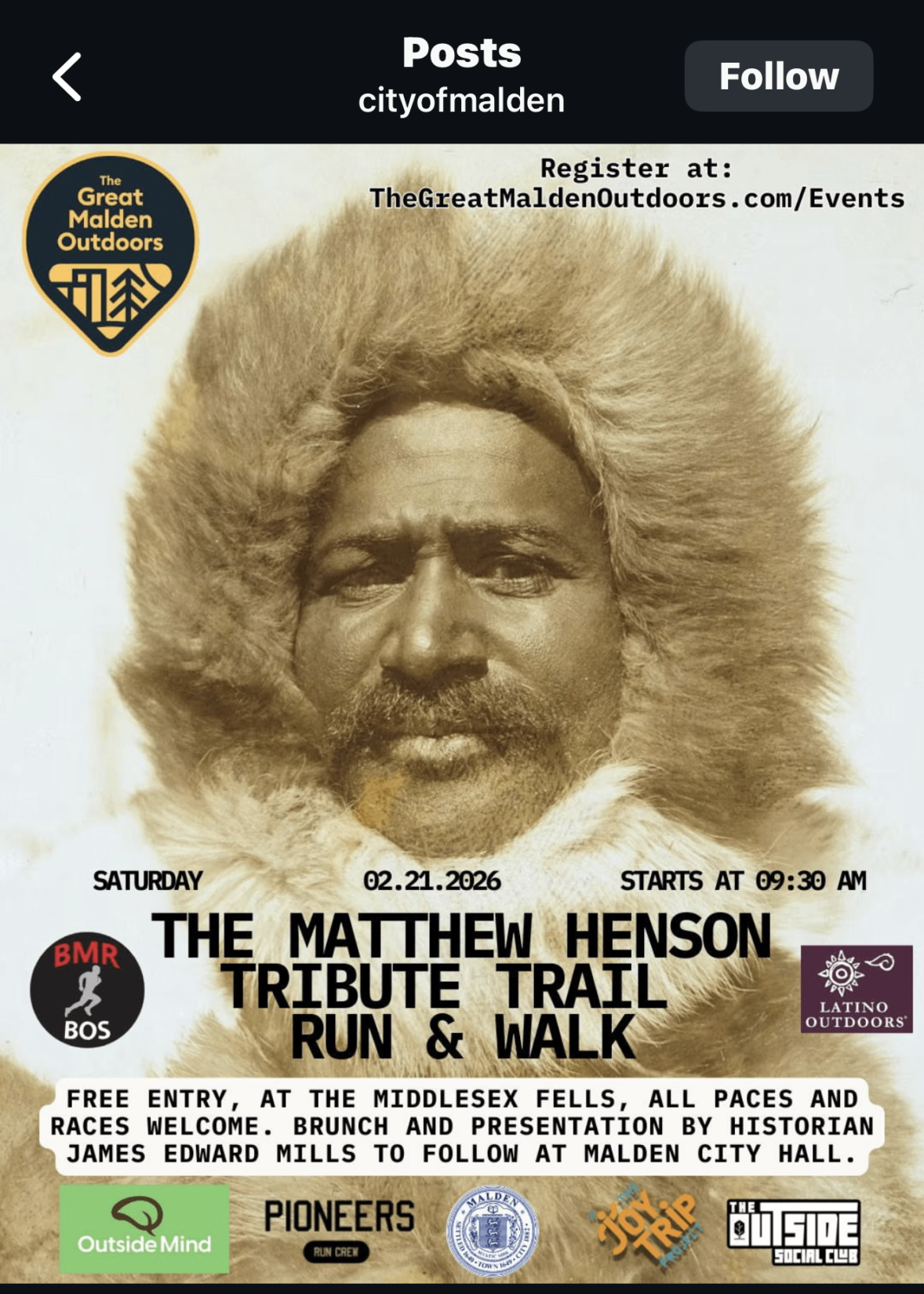
Several events around Malden have been hosted to celebrate this month. On February 2nd, the Matthew Henson Tribute took place in Middlesex Fells. A free run featuring a 1.5 mile and 3 mile guided route dedicated to Matthew Henson, the first Black American explorer to reach the Arctic. After the run, there was a catered brunch and presentation by historian James Edward Mills about Henson’s life at Malden City Hall.
Due to Malden’s size, the promotion for these events is not so visible unless you’re actively searching online. Despite this, Malden is eager to honor the achievements of African Americans working to help future generations understand the history of Black History Month with the events they are hosting.
About the Author