Music transcends genres—it falls into cultures from all across the globe. In the Western music industry, the largest and most influential music market internationally, breaking through can define an artist’s career. By the 2010s, South Korean artists had not only entered the scene but had begun to dominate it.
K-Pop, short for Korean popular music, originated in South Korea and has become a global cultural phenomenon. Combining traditional Korean music and language with Western influences, K-Pop is characterized by its polished choreography, visually striking performances, and distinctive, colorful fashion—elements that appeal to its diverse global audience.
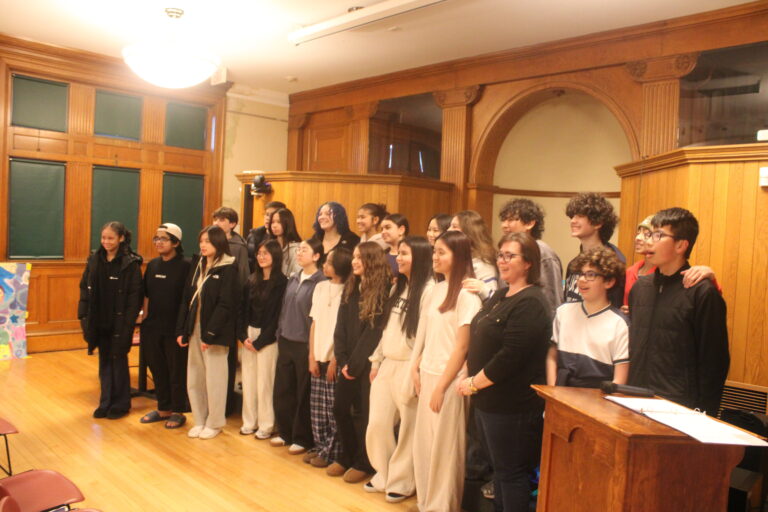
With the K-Pop club, the genre’s global reach is apparent right here at Malden High School. This club is a welcoming space for students to connect with one another through their shared love of K-Pop. Members can bond by learning choreography, discovering new music, and even sharing merchandise.
“It’s nice to know that there’s a safe space to share the love for the music with other people,” shared senior president Christina Robinson.
The club was founded in 2019, with alumni Kiana Tse, Katelin Dzoung, and An Ho leading as officers. As mentioned in a previous article on the club, its goal was to create a “welcoming space for those interested or who want to be interested in K-Pop.” In its early years, the club hosted various activities, including photocard trading and Random Play Dances. Since then, it has evolved into a dance club that performs choreography at the annual Junior Varieties.
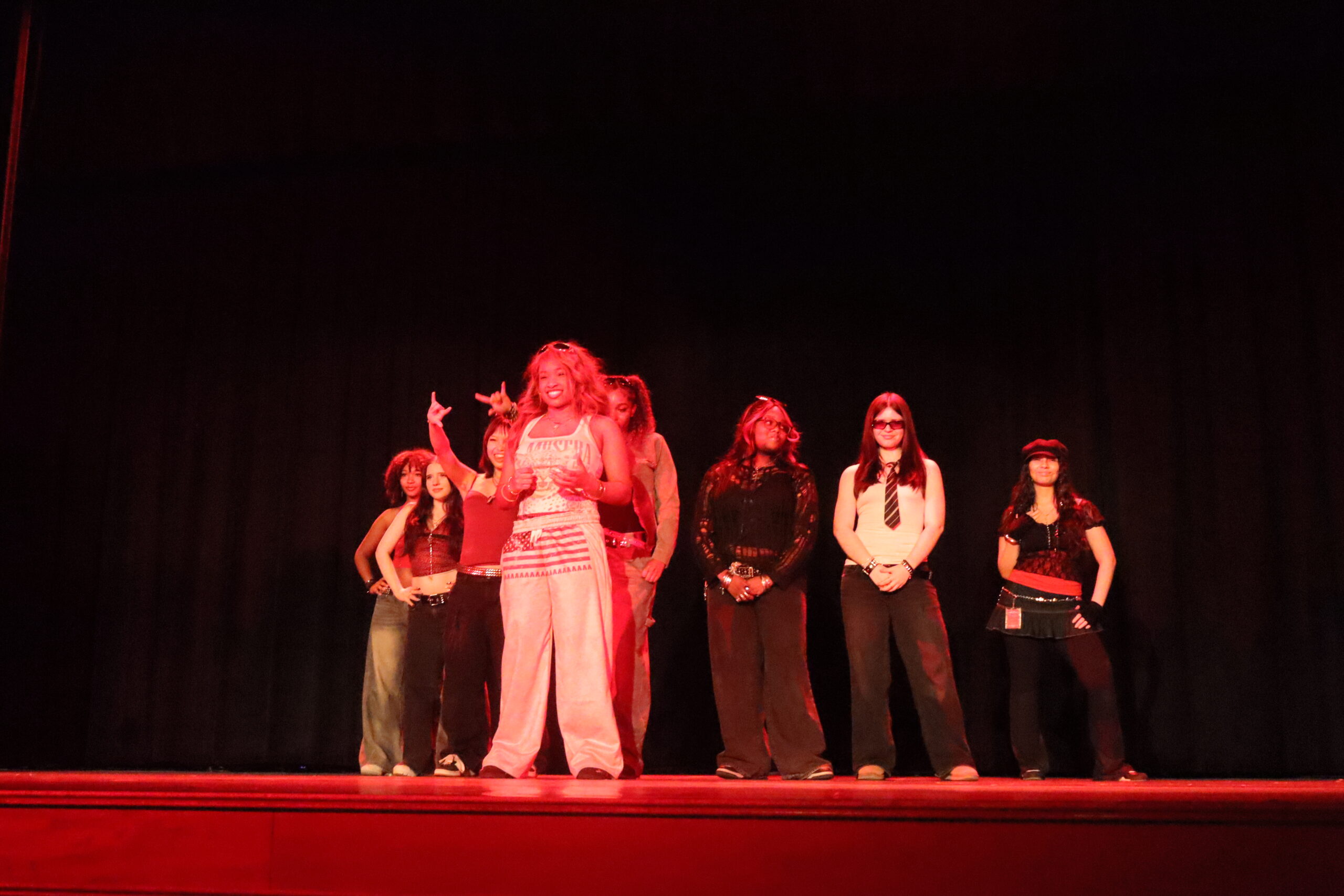
This year, the club performed the fiery hip-hop single “Killin’ It Girl” by j-hope and the rage rap anthem “FaSHioN” by CORTIS at the 86th annual Junior Varieties.
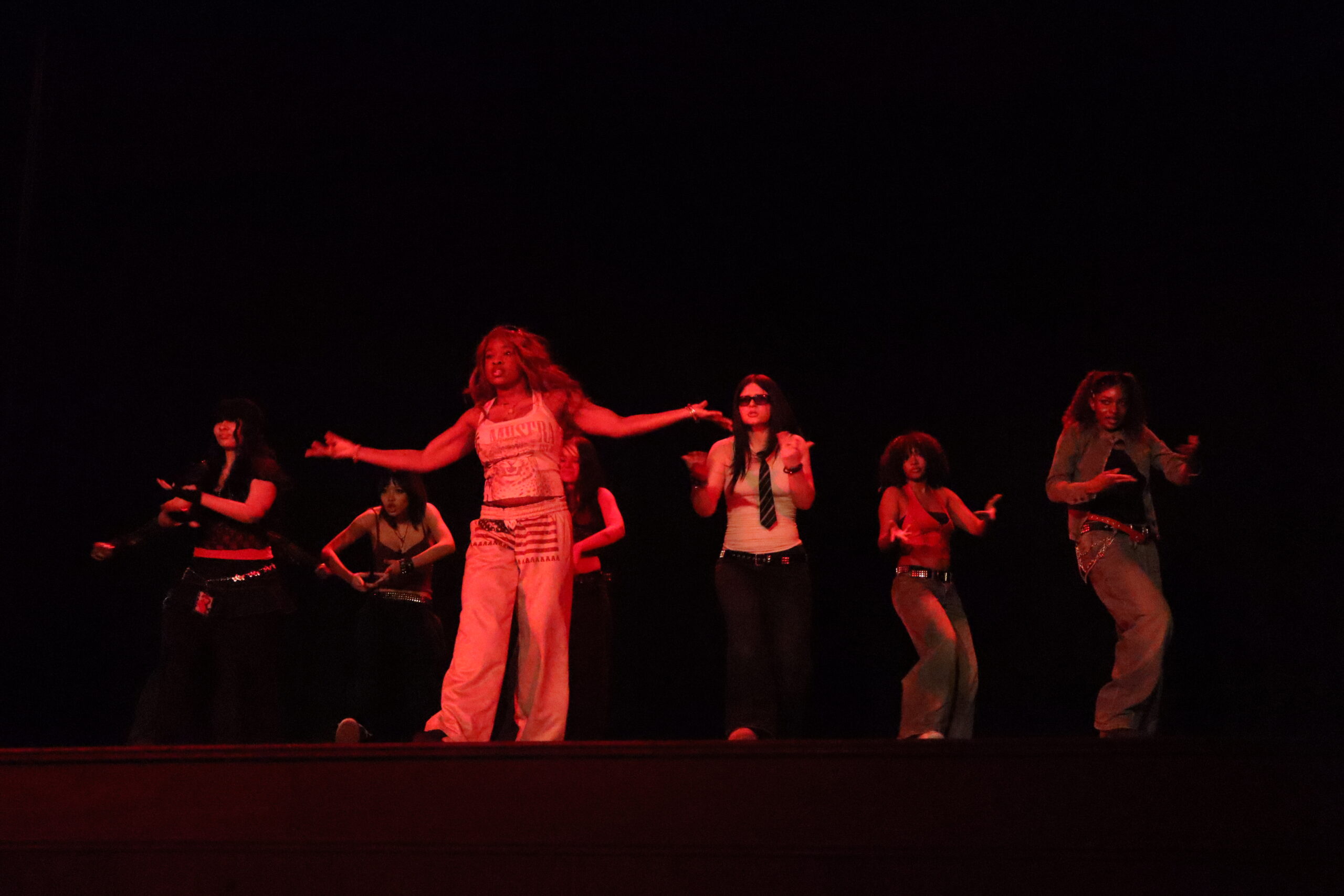
To prepare for the performance, the club has been practicing “almost every other day of the week,” stated sophomore Sofie Rivera. During February break, the club would meet at MHS every day to practice.
In previous years, the club has always chosen to perform songs from girl groups. This year, however, they decided to switch it up and perform one from a boy group, as they’re “a little bit more impactful” and known for their “harder choreography,” explained Robinson. “We kind of wanted to take that step forward and challenge ourselves.”
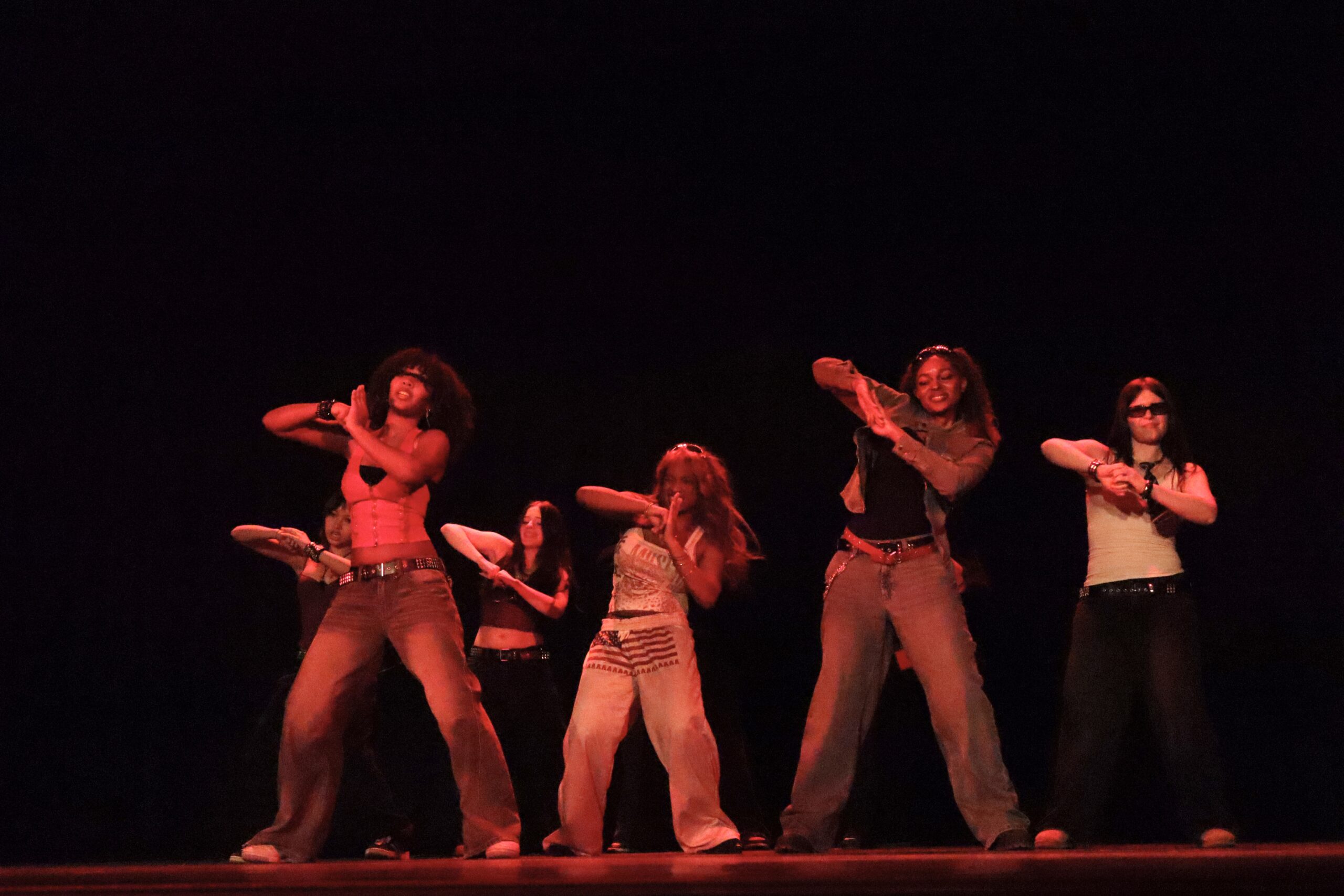
Through their performance, sophomore Lillyanna Keogh hopes to “reduce the stigma” that those who enjoy K-Pop are “weird.”
“K-Pop already has this kind of stigma attached to it that it’s too childish or it’s not real music,” added Robinson.
For the club members, K-Pop has made a large impact on their lives. “I took a lot of inspiration from K-Pop artists I’ve listened to, and that kind of helped me find my own style,” explained Robinson. Rivera explained that it “helped me get closer to lots of people,” like her sisters and friends. “I’ve been able to go down to concerts and events.”
The club has evolved over the course of a few years, expanding to connect more fans through its music and choreography.
“The K-Pop club is definitely a space, not just for those who like to listen to music, but also those who dance and perform on stage,” concluded Robinson.
About the Author