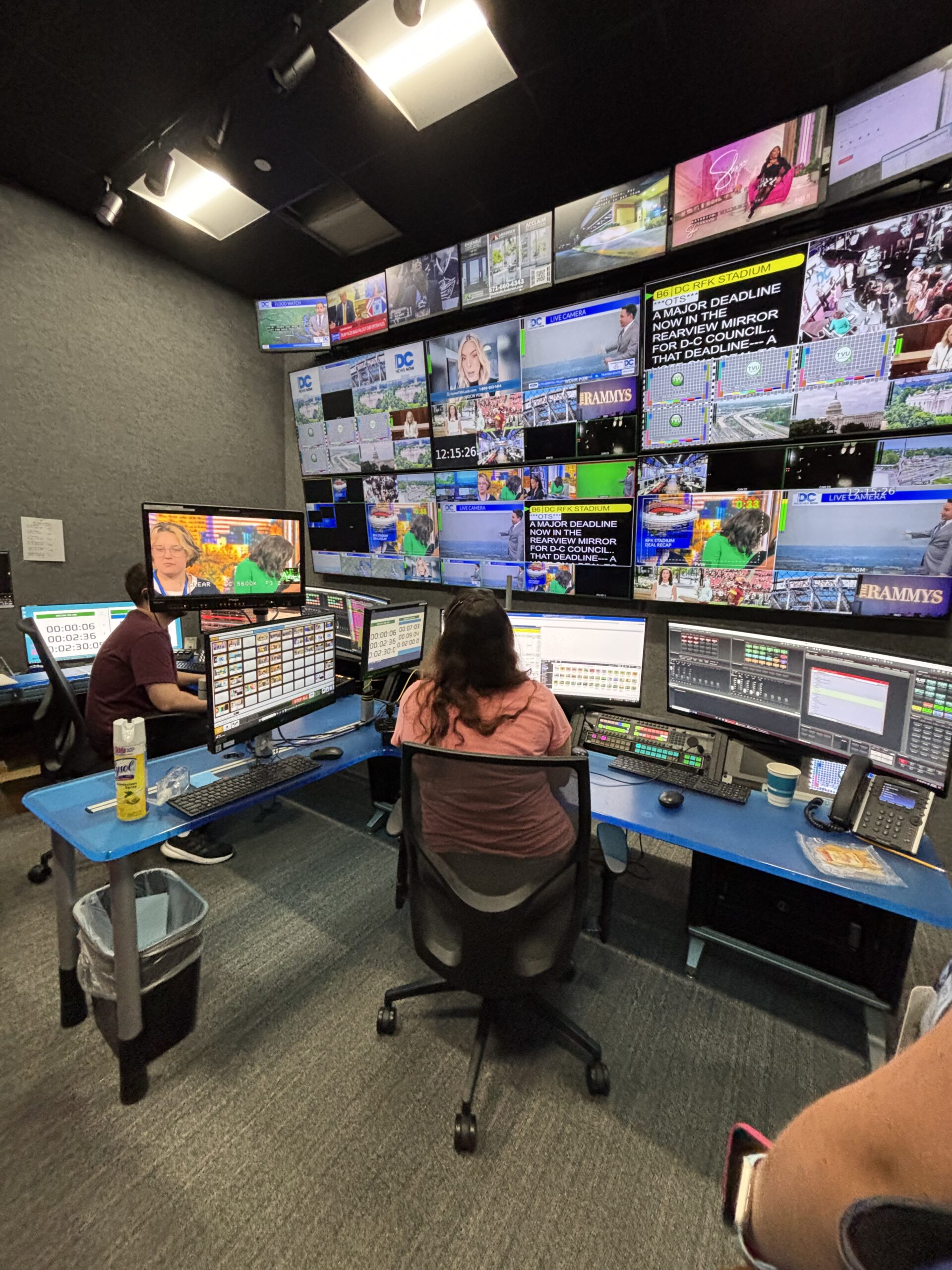
Field trips, funny moments, and school events—these often come to mind when one thinks of their favorite middle school memory. Yet my favorite memory is what unlocked the door to an everlasting passion.
An extracurricular? Performance? Guest speaker? Nope. My favorite middle school memory is a school project. When others hear this, they often respond with surprise; with how bustling and chaotic middle school can be, what’s so special about a project?
For many students, school projects fly by like a breeze you quickly forget, which was the case for me too, until I was assigned to report events from The Giver as a final seventh-grade English project by Mrs. Walsh.
At first glance, reporting an event in an English book as a project seems boring, right? But the immense freedom we had in the project was the exact opposite of boring. The list of ways we could report on an event seemed endless: a parody, creating a song, acting out the scene, writing a letter, and so much more. This list was a breath of relief in contrast to our usual five-paragraph essays after finishing a book.
From this long list, one option piqued my interest: news reporting. As a 13-year-old, I had never truly thought about the news. I mean, thinking about the news felt like a “grown-up thing”—my mother watched it, my teachers did; why would a 13-year-old even think about the news when I could easily entertain myself on my phone or watch High School Musical: The Musical on Disney.
How would it feel to be a news anchor? The question rang non-stop in my head like an alarm with no snooze options. I desperately tried to block out my curiosity as my friends chose the “funner” options like creating a song or acting, but the ringing wouldn’t stop. In this tug-of-war, the news reporting won the tough battle, ding-ding-ding!
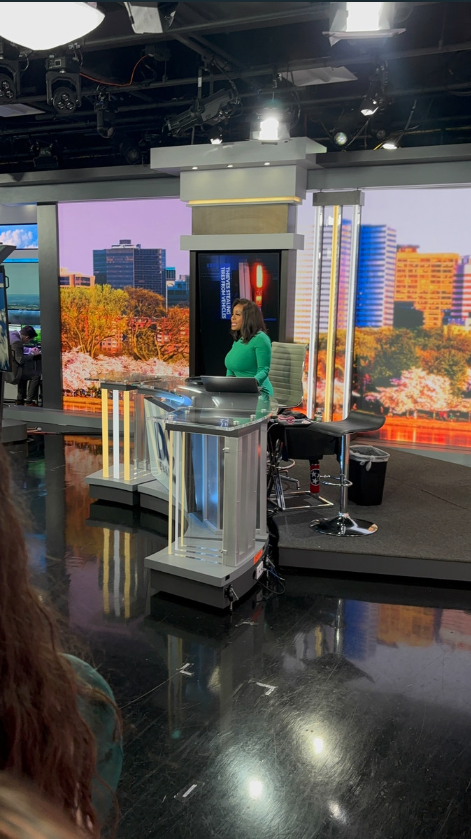
Although the option did seem boring, at least I got to dress up—that was my motivation. However, the boring appeal quickly dimmed as the lack of guidelines allowed my imagination to run wild. I quickly drafted my professional script detailing the events of The Giver as a significant local problem, while I plummeted into a rabbit hole of news videos. I spent hours watching clips of news anchors and stories on YouTube to replicate my project in real-life examples of news reporting.
Once my script was done, I dressed in my mother’s best business apparel: a pink button-down, navy blue dress pants, and a white suit jacket decorated with red, pink, and blue flowers.
The excitement I felt when I began recording on my Chromebook while reading my script from a homemade teleprompter was intense. I had never found myself so invested in a school project. I had finally answered my question: being a news anchor felt great.
This was the first time I enjoyed a project instead of hyperfixating on its perfection. I completed every step of the project with a smile on my face—even its submission.
I loved reporting. Throughout this project, I realized that I was capable of truly enjoying something academically related.
Now, as an Editor-in-Chief of The Blue and Gold, this project served as the foundation of my journalism passion. It’s what’s inspiring me to continue my love for journalism for my bachelor’s degree. Who would’ve thought a simple project would lead to an everlasting passion, one that continues to blaze through tough winds and rain.
Projects like this serve as a reminder that education isn’t just about completing assignments and establishing academic skills—it’s about forming passions. With the increased priority of standardization within education through standardized curricula and testing, what happens to these projects that spark student passion?
Having the freedom to be creative and embrace assignments or projects rather than grades is something students need, as stated in Protection or Restriction? GoGaurdian’s Introduction into MPS Sparks Debate by Fatima Husain. The embrace of creative assignments can lead to students’ passions flourishing.
It should be a part of a student’s goal to find their passions rather than just academic success, not only at Malden High School, but everywhere. In his recent press conference with The Blue and Gold, principal Michael Sabin shared his goal for all students to find their passions and be involved in different opportunities that the high school offers (or doesn’t offer yet)—even ones that aren’t so obvious.
What can students, staff, parents, and others do to help Sabin achieve this worthwhile objective?
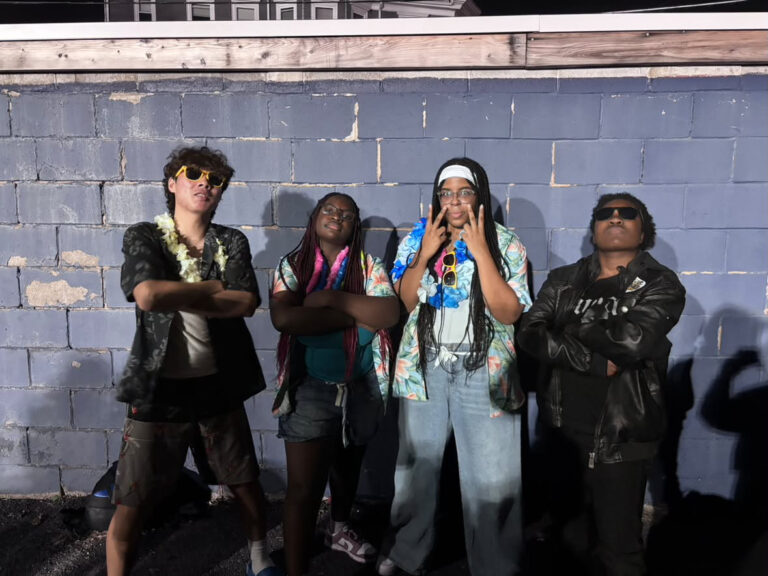
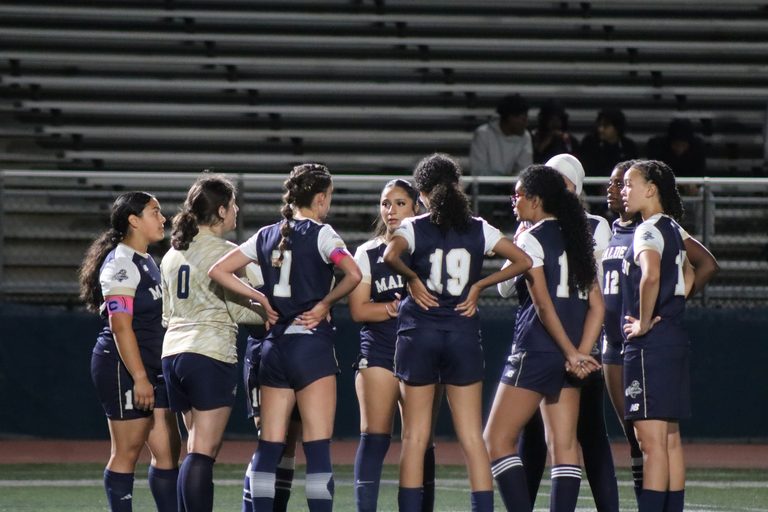
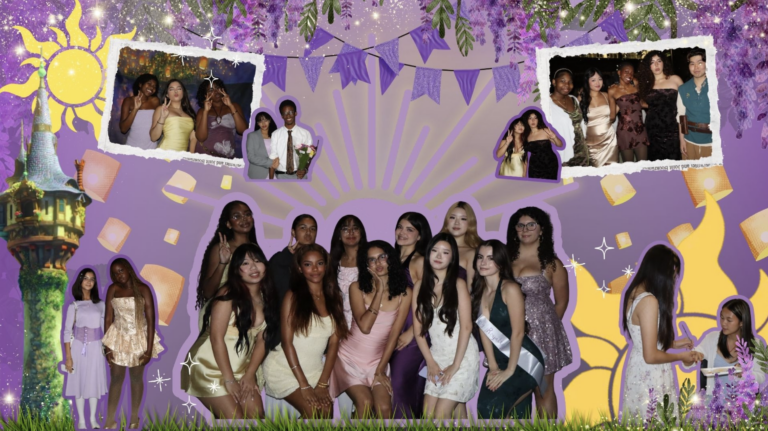
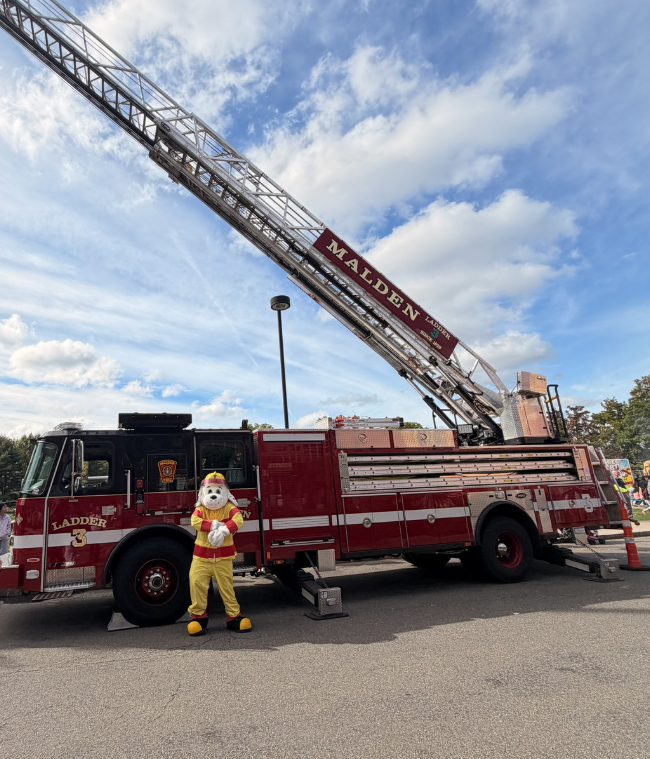
Throughout this edition, the editors decided to highlight student life as a means to inch closer to this goal. Through the inclusion of various sports, events, and clubs throughout this edition, we hope that one article contributes to the spark of a passion for students everywhere.
About the Author