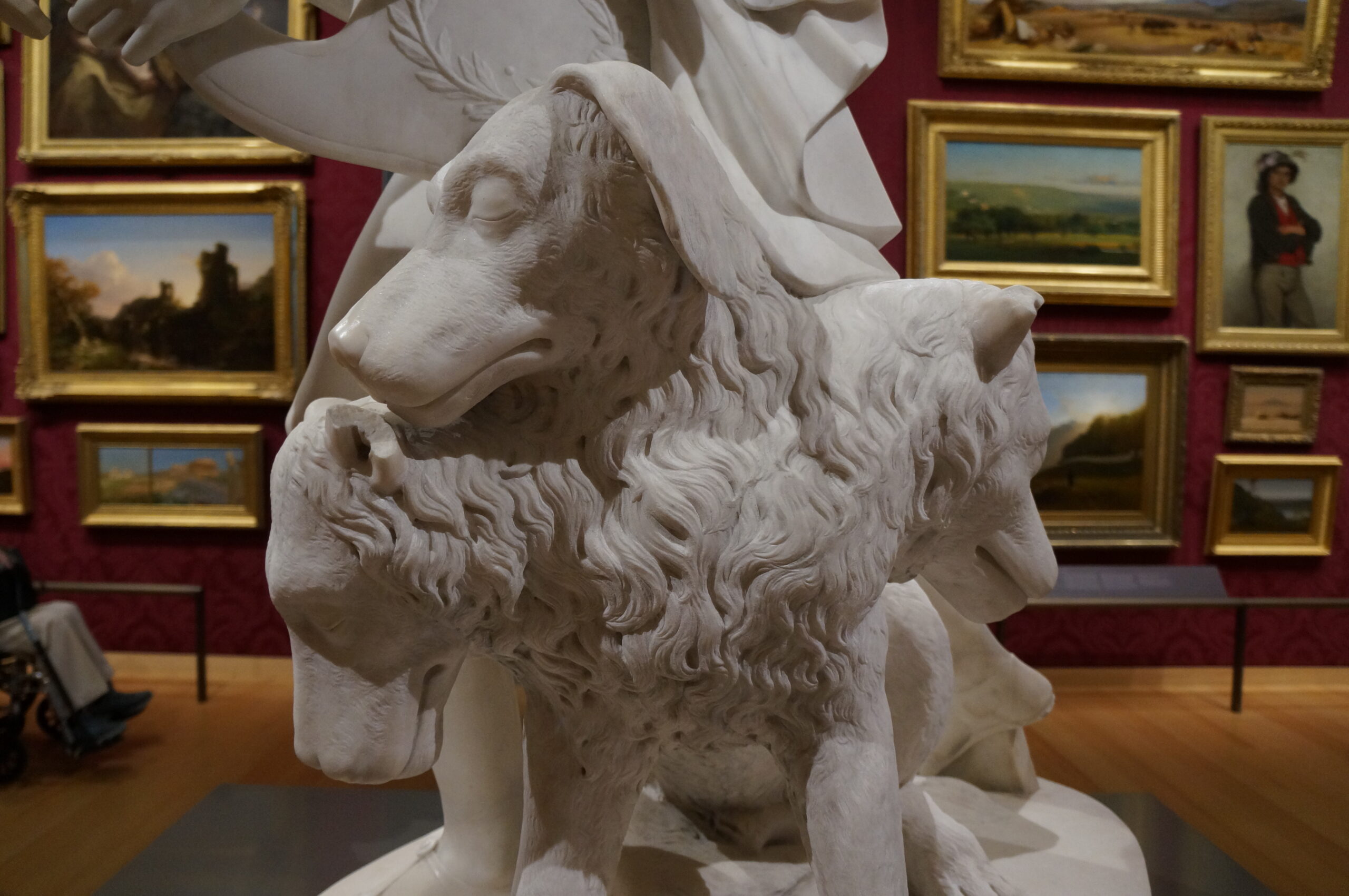
Boston, a historically rich city founded on the values of progress and now globally-renowned for its education, sports, culture, and heavy involvement in the founding of the United States, has become a landmark for incredible sights. Ranging from the Bunker Hill Memorial Bridge to the Commons, to Fenway Park, to the many famous museums that reside in the city, Boston is considered one of the most underrated large cities in the country, and it is located just a short twenty-minute drive from Malden, as well as easily accessible by public transportation.
Numerous Boston museums hold titles for being pioneers in the community, such as The Boston Museum (1841-1904), while others would be considered heritage sites, such as the Old State House and the Paul Revere House. Still appreciated by many, these places serve as reminders of those who came before us and the small narratives that make up the incredible chronicle of life.
Ranging from scientific findings to ancient oil paintings, these sights serve as popular tourist destinations, places to hang out, and an opportunity to appreciate someone’s life’s work.
The lost art of appreciating inventions, ideas, projects, and art assembled over the course of many hours, days, or even weeks, wringing the parts of the brain responsible for creativity until every last drop has satisfied their findings or their piece, has changed the way we perceive hard work and human effort.
Conventional Art
In recent times, with the rise of social media and easily accessible art through sites designed to share media, varying from forums to curated apps such as Pinterest to generative AI engines, it has become easier and easier to overlook the intricacies of traditional art, as the accessibility and shortcuts that follow digital art has allowed consumers to devalue the work that artists throughout the ages have put into their projects.
The significance of art in Boston resonates in numerous spaces, ranging from famous mural pieces to studios to fairs that all celebrate the creativity and individuality of people’s expressions. Most notably, one of the easiest ways to discover artistry in Boston would be through the many art museums that fill the city.
The Museum of Fine Arts (MFA), founded in 1870, is home to more than four hundred fifty thousand works of art in all its forms, from ceramic pieces to laborious strokes of paint. Each unique creation tells the artists’ story. With each organized section, specifically curated moments in history include depictions of religious figures, records of powerful figures, works reflective of their time period, and even cultural artifacts used thousands of years ago.
With the museum’s intent to emphasize the work produced by people with an intense passion for their craft throughout the ages, the museum has numerous payment options available, with free entry on specific holidays, discounts for those under 18, veterans/active duty service members, college and university students, K-12 teachers, and more, while general entry costs $30.
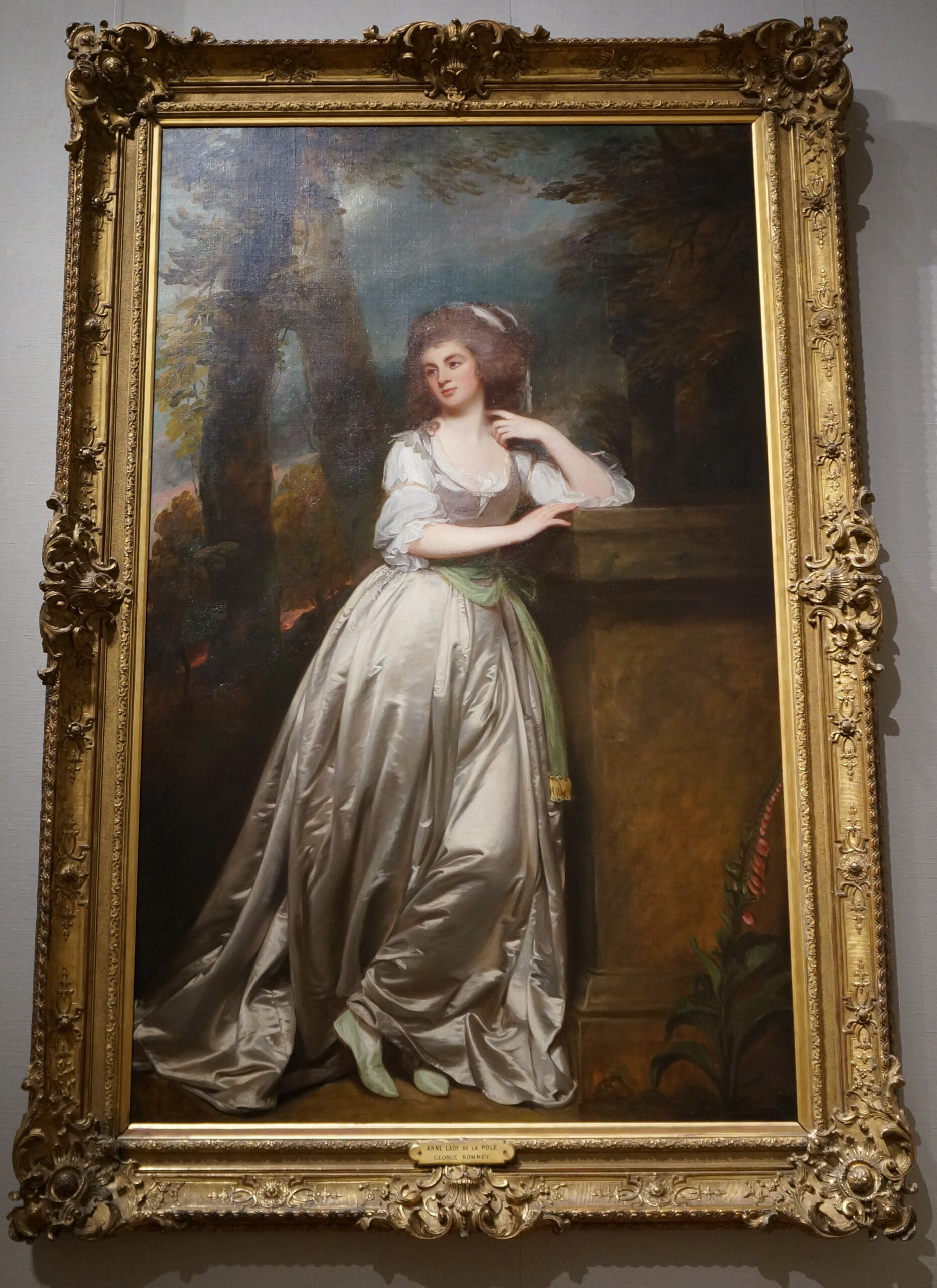
Just a short walk from the MFA would be the Isabella Stewart Gardner Museum, most known and praised for its famous sky-lit courtyard filled with a display of vegetation and intricate architecture. The eclectic gallery contains a number of paintings, sculptures, and a vast collection of cultural arts. Besides being known for its incredible array of Venetian-style pieces and overall design, it is known to be the place where the United States’ largest heist took place, resulting in the theft of thirteen items, in which their whereabouts remain unknown to this day.
Hidden in plain sight among the campus of the Massachusetts College of Art and Design, the MassArt Art Museum (MAAM) serves as a breeding ground for contemporary art, highlighting the issues and politics expressed through meaningful projects–ranging from environmental impacts to social justice, the exhibits within the museum has become a keystone in Boston’s creative community, for students and visitors alike.
Only a few steps from the entrance to Downtown Crossing Station resides the modern and innovative WNDR Museum, where the exhibit combines technology, interactivity, and art to form an immersive experience down a rabbit hole of expression and passion. With twenty different themed installations, the goal is for visitors to stimulate every sense, with each portion of the museum inviting them to touch, move, and immerse themselves in artworks. Originating in Chicago, the Boston installation has attracted many faces and continues to trend on feeds for its unique ability to tackle the mind’s perception and display incredible innovation in the ways people take in art.
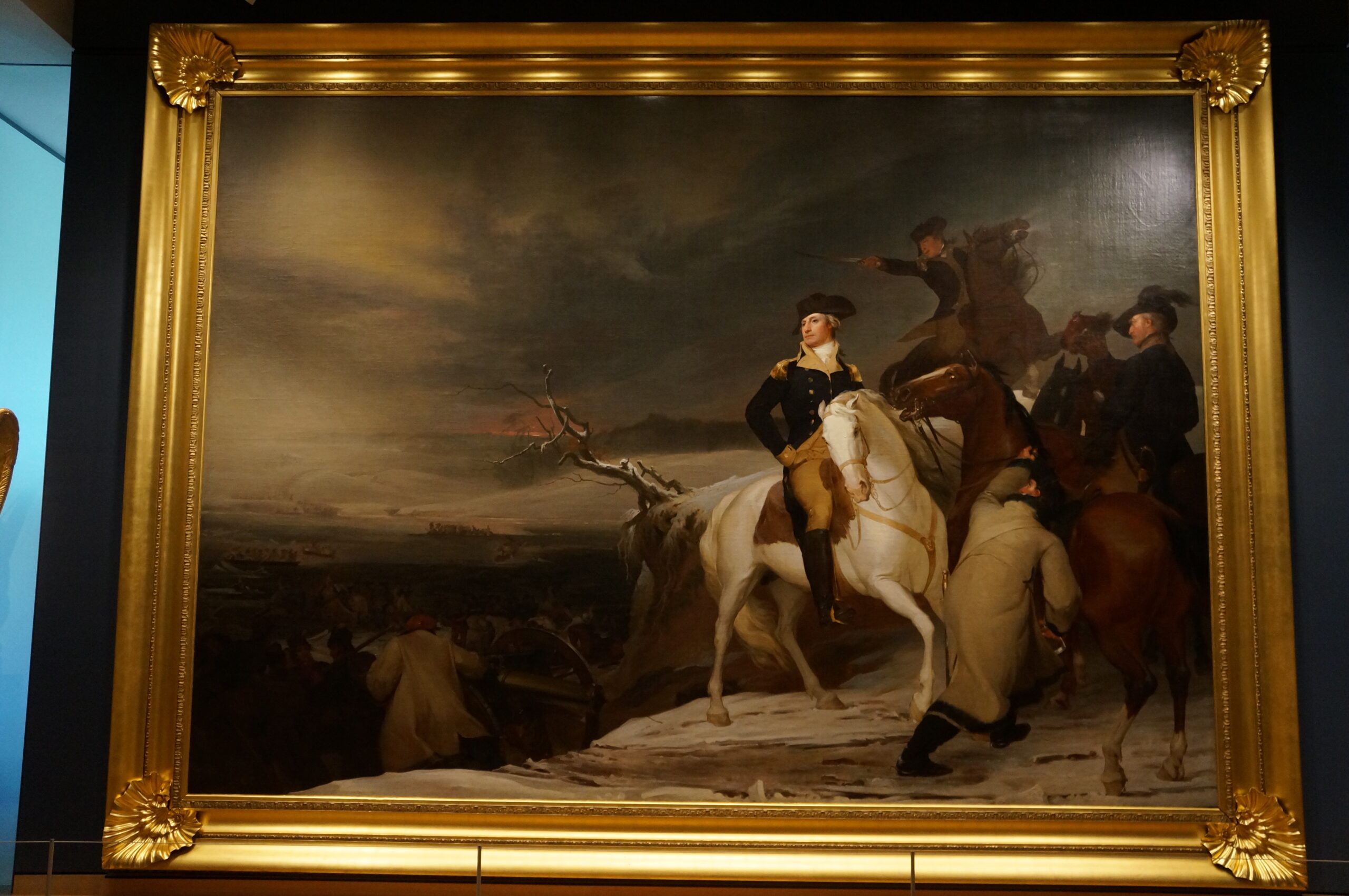
Scientific Discovery
What would Boston be without its ties to scientific innovation? The city’s intricate ecosystem of programs, education, research, and museums has and continues to contribute incredibly to technological ventures and advancements. Boston’s involvement in the production of new medical devices, research and development, and biotechnology has entirely revolutionized the industry for more than a century.
The Massachusetts Institute of Technology (MIT) Museum, founded in 1971, is home to thousands of remnants of important historical technological works, ranging from the maritime inventions that brought the founders of the US to the continent to recent projects experimenting with artificial intelligence. Alongside its contemporary art that ventures beyond the canvas to challenge the limits of what we know about the world, it hosts numerous programs available to all ages, to shine a light on the work that is produced in MIT’s walls.
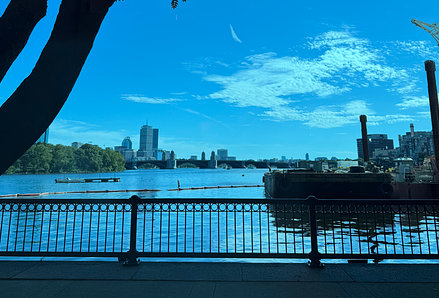
Located by the Charles River, one can find the Museum of Science, home to hundreds of exhibits ranging from all categories: engineering, environmental, artificial intelligence, paleontology, biology, geology, etcetera. The mix of visual and interactive sites offers visitors of all ages a unique opportunity to explore paths of life and research they had never known the answers to with live demonstrations, events, and even an IMAX theater, providing attendees with a fun and unforgettable experience.
Tucked into Harvard’s campus, the Harvard Museum of Natural History (HMNH) provides a unique and rich experience, diving into the efforts of thousands of researchers and accumulated expertise in history, artistry, and, of course, science. The museum, most known for its meticulous botanical and archaeological displays and discoveries, brings visitors a new view of the intricacies of life, showing the overlooked and minuscule details in which teams and people worked incredibly hard to assemble and share with the world.
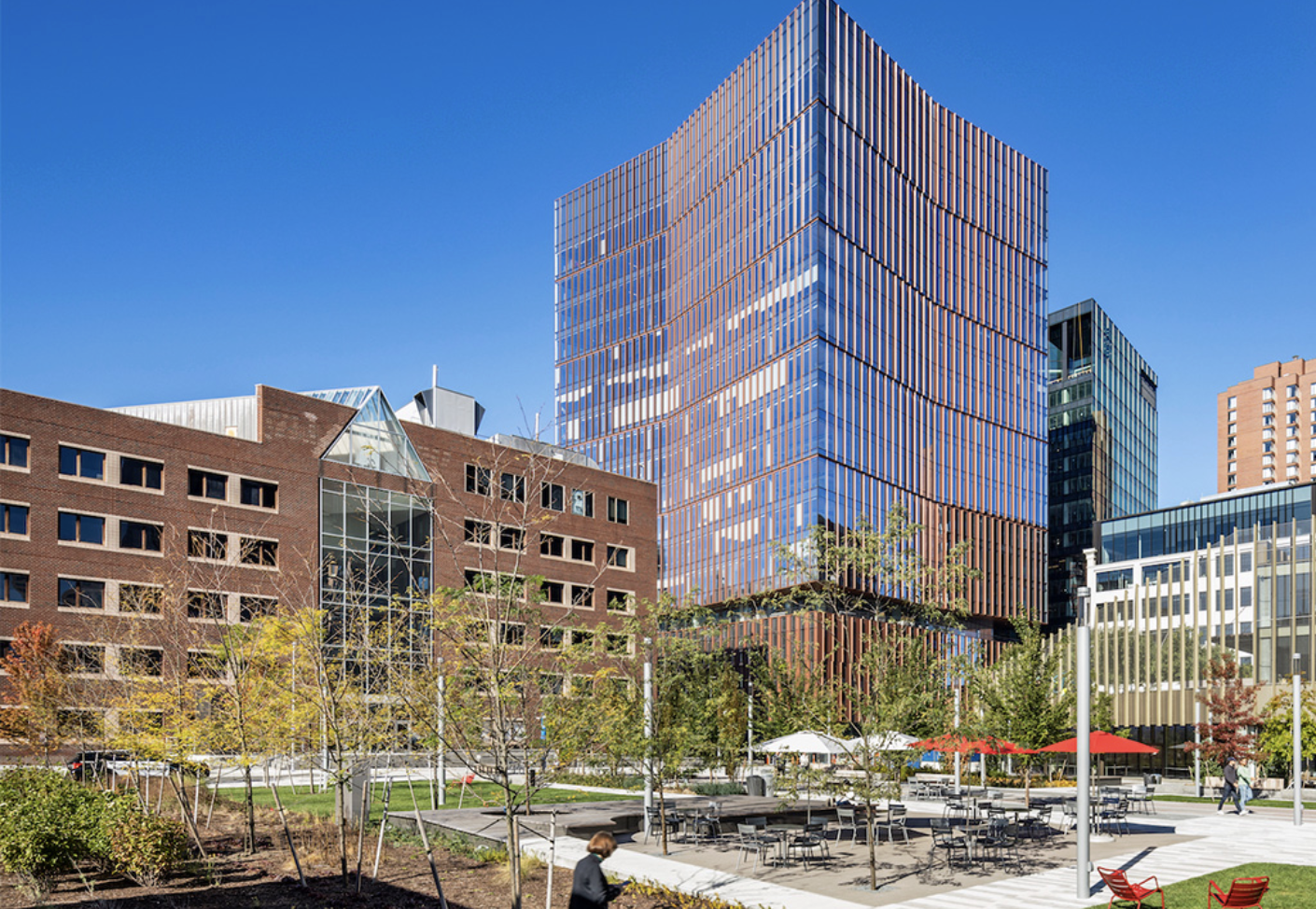
Historical Preservation
Most people tend to assume that museums exist for the sole purpose of documenting and preserving history. While that statement is in part true, the same can be said about a number of other factors of life. From devices that capture moments and memories to a forgotten journal entry, everything that has ever been seen, used, destroyed, or created is etched into history.
Boston’s notable historical background, dating back to the establishment of Plymouth in 1620, has since changed the course of history forever. With life-altering events, timeline-affecting decisions, famous people, and inventions, the richness of the area’s narrative continues to be remembered through the many preservative museums in the city.
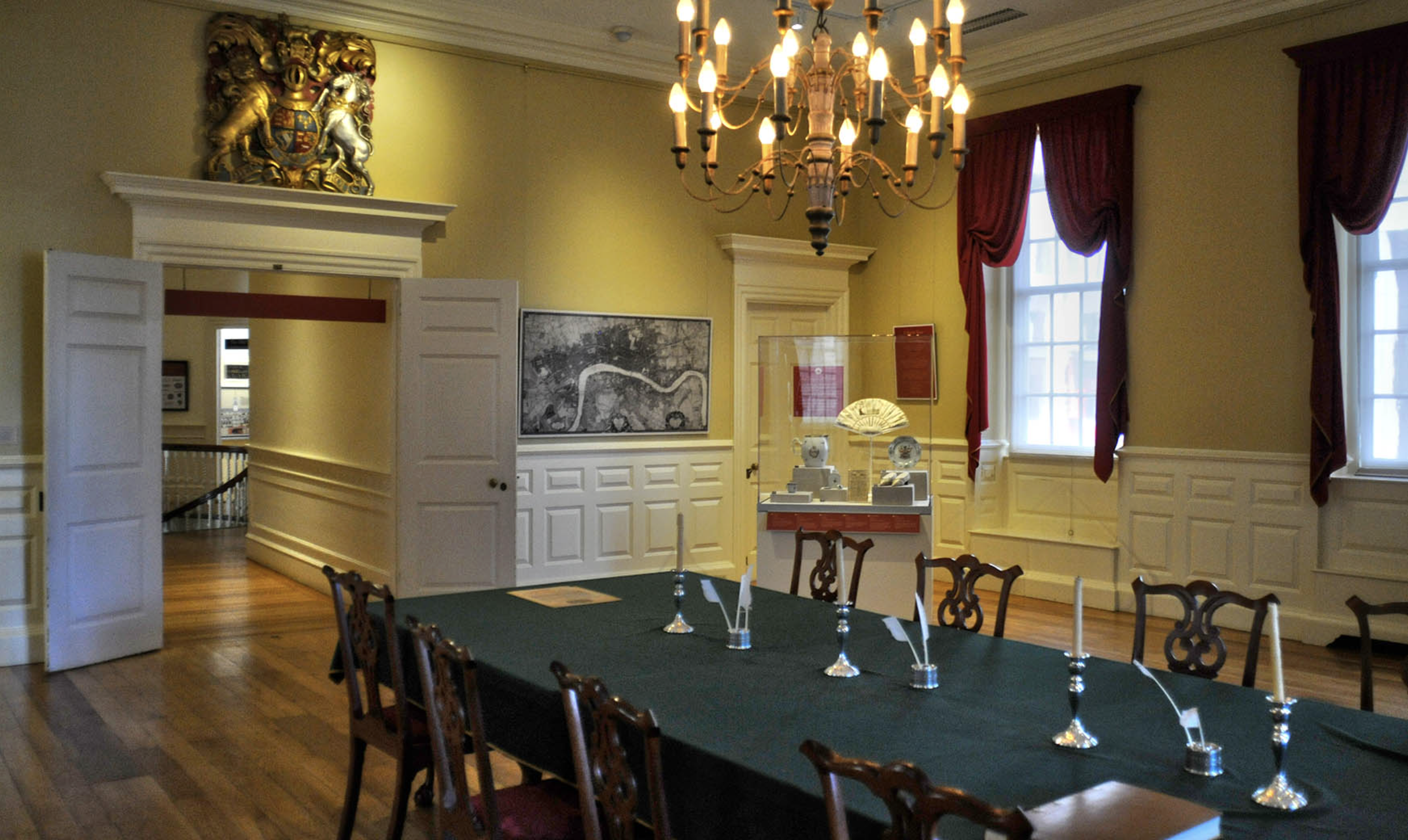
Getting off at Government Center makes it nearly impossible to miss the notable Old State House. Built in 1713, the building remains the oldest surviving public building in Boston, once serving the colonial and state governments of Massachusetts. The intact historical site provides a number of tours for visitors eager to step into the shoes of Bostonians who gathered under its balcony to hear the Declaration of Independence for the very first time, or those who witnessed foundational legislation being assembled in the country.
The Museum of African American History (MAAH), located in Beacon Hill and Nantucket, is New England’s largest museum dedicated to preserving the fundamental history of African Americans in the region. Ranging from the colonial era through times as recent as the 20th century, the MAAH is dedicated to sharing the powerful history and culture of the presence of African Americans in the larger New England area, preserving the birthplace of the abolitionist movement, and illuminating Boston’s role in the struggle for human and civil rights. The non-profit institution offers a vital and under-told perspective that deepens the appreciation for unionization and the power of standing together against injustice.
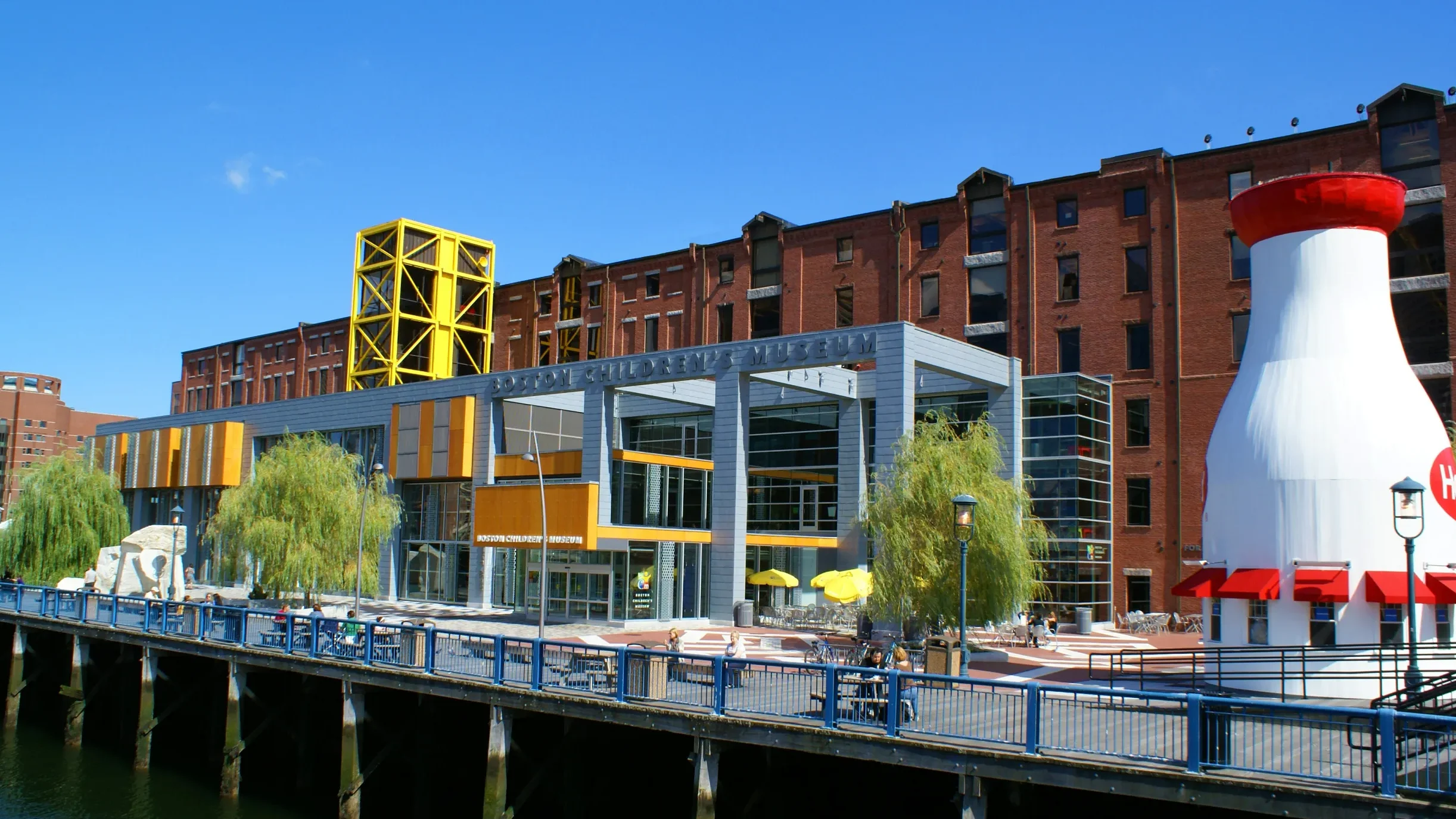
An under-recognized museum that falls under this category, considered one of the oldest museums curated for its intended audience, would be the Boston Children’s Museum. Positioned on South Boston’s Waterfront, the Children’s Museum offers numerous hands-on activities to engage children in learning, culture, science, and the arts. The emphasis on wonder and knowledge-building creates a welcoming atmosphere for eager learners and excited children. The museum hosts several opportunities, programs, and field trip options for schools in the Boston area, as well as neighboring cities. This staple in Massachusetts childhood remains a popular destination for families today.
Boston continues to shine and rise above expectations, drawing people from diverse backgrounds who are eager to share their ideas, creativity, and passions. The city is fueled by its innovative thinkers, artists, and scholars, who all contribute to a culture that embraces new perspectives and discoveries to celebrate the wonders the world has to offer.
Next time you are planning a visit to Boston, take the time to appreciate the beauty of the world around you and the preservation of all that surrounds it by visiting a local museum with the task of dedicating itself to spreading the message of the importance of history and self-expression.
About the Author