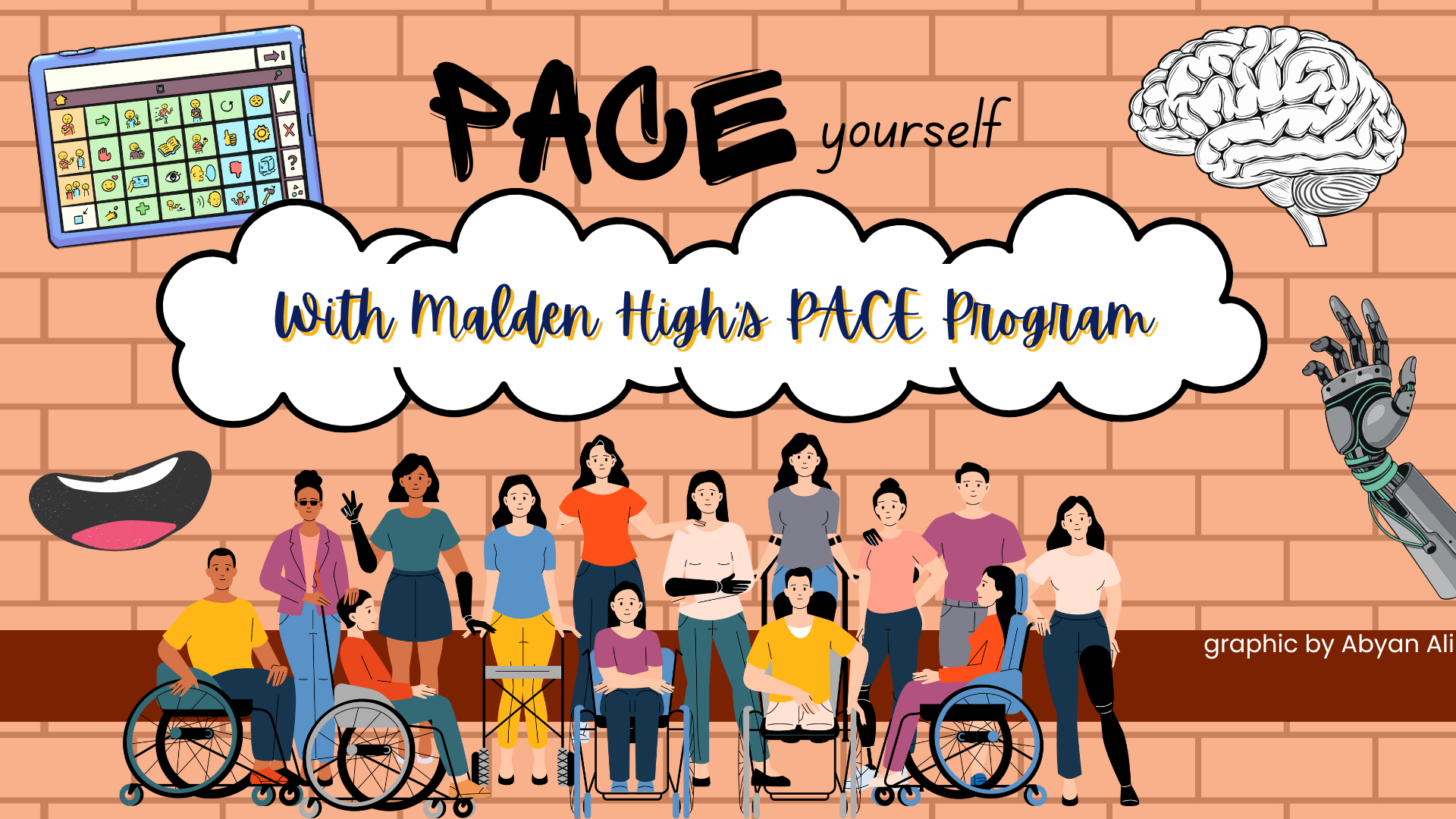
About 50 years ago, President Gerald Ford signed a law that helped establish special education in schools, which “guaranteed all children with disabilities the right” to a free education. As a result, many more schools started Special Education programs for those who are disabled.
Malden High is no different, as it has a special education program, the Practical Academics & Community Education Program, often abbreviated to the PACE Program.
Malden High’s PACE Program isn’t too well-known by a majority of students and tends to be overlooked. However, its role is essential in making sure students from different backgrounds can prosper, highlighting the staff in being specifically knowledgeable in caring for the students.
Some of the Staff
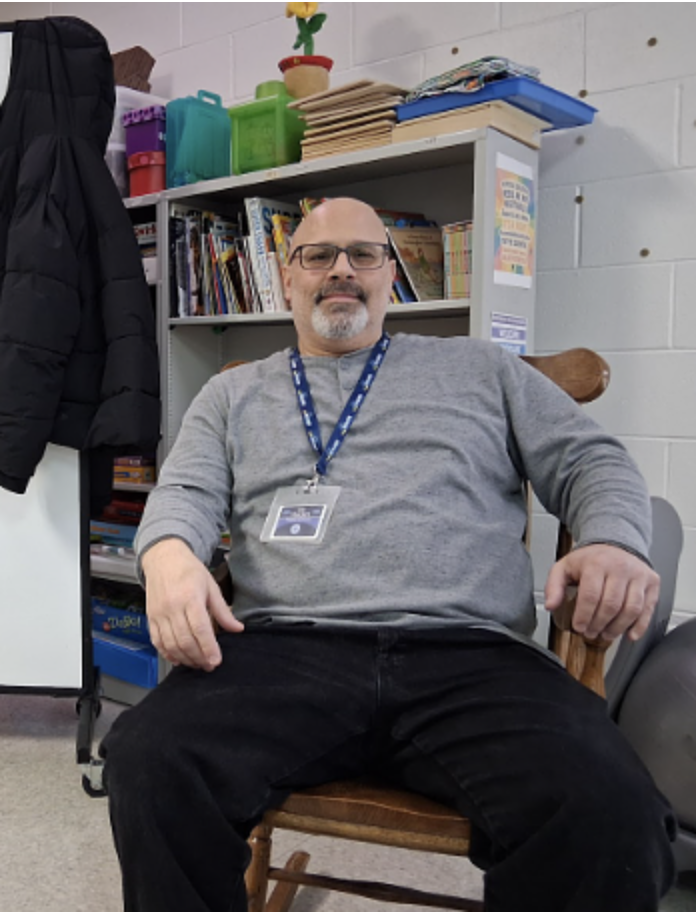
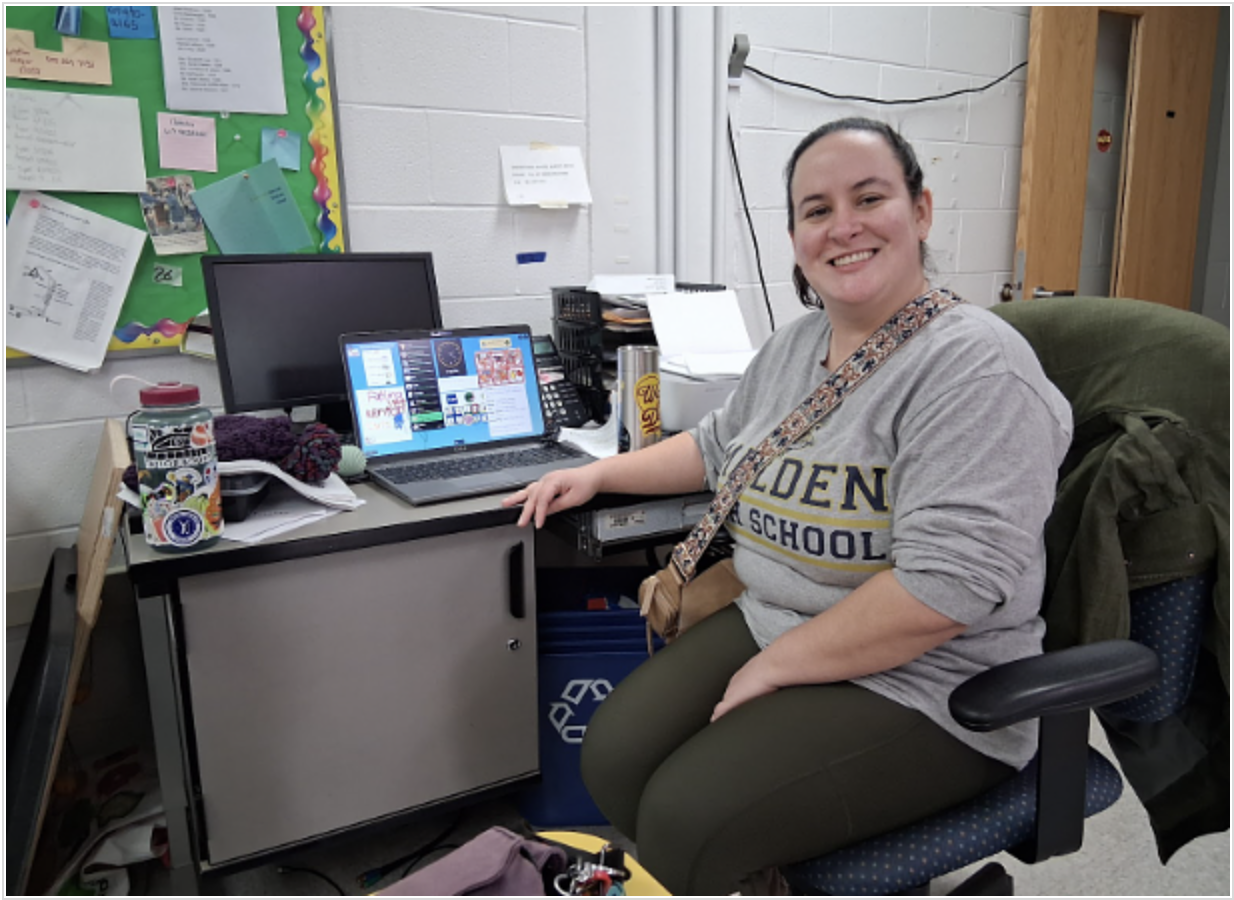
Some of the PACE workers have been here for a while; teacher Rebeccah Griffith-Allen has worked at Malden High “since 2018,” being her “8th school year.” Some have just joined, such as Miltiadis Drakopoulos, known by “Mil”, who’s in his “1st year at Malden High School,” but has been “teaching for 13 years.”
Griffith-Allen was “placed in a medically complex classroom” and worked with those with a wide range of neurodisabilities for her “student teaching.” This prompted her desire in being a special education teacher, which she discovered she “loved that work.”
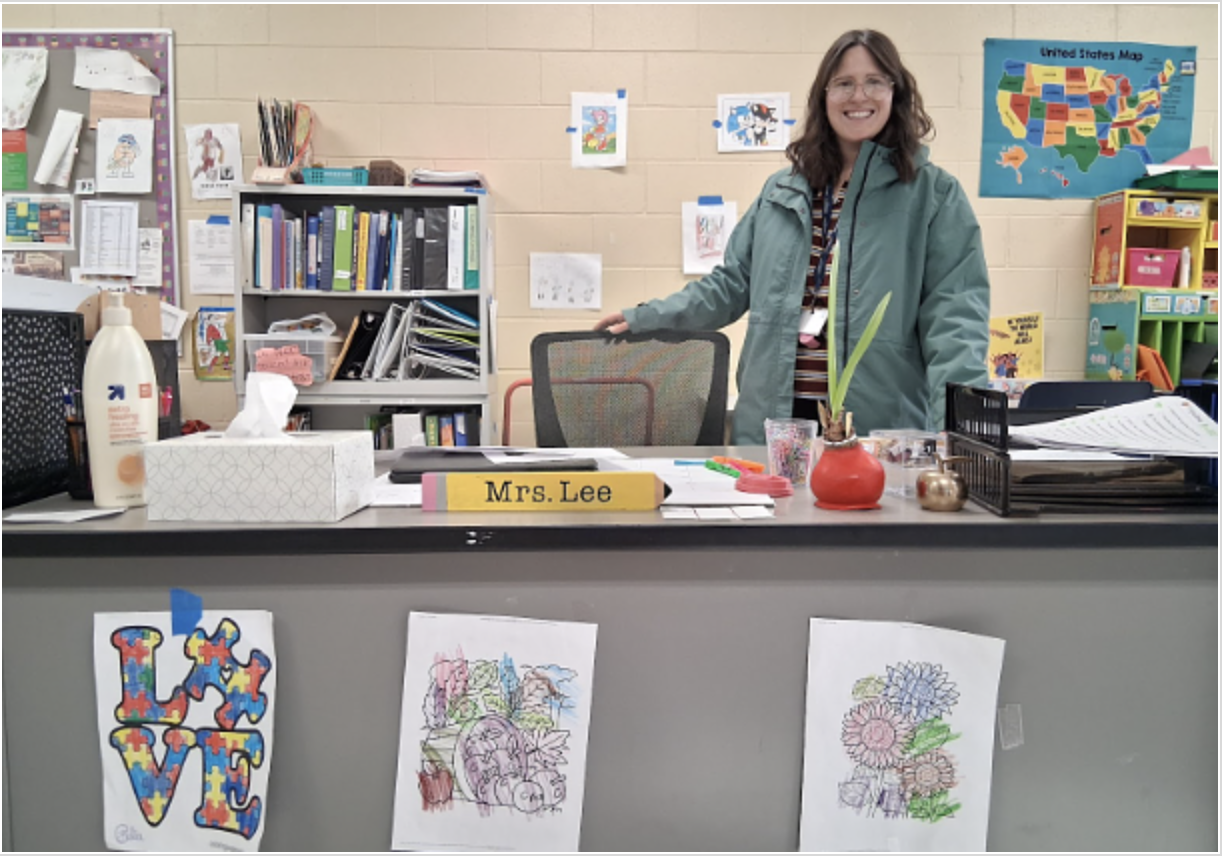
Teacher Elizabeth Lee has older students than Griffith-Allen, who are “working below grade level”. Her classes consist of a more “small group”, which works best for the student she works with.
Drakopoulos previously taught in math and science, in turn, having “worked with a lot of kids before,” and thinks “it comes naturally” to him. He emphasized “working with kids with special needs” being a highlight of his job. The staff in the PACE Program are quite skilled, as working with special needs students requires patience, tolerance, and empathy.
Inside the Program
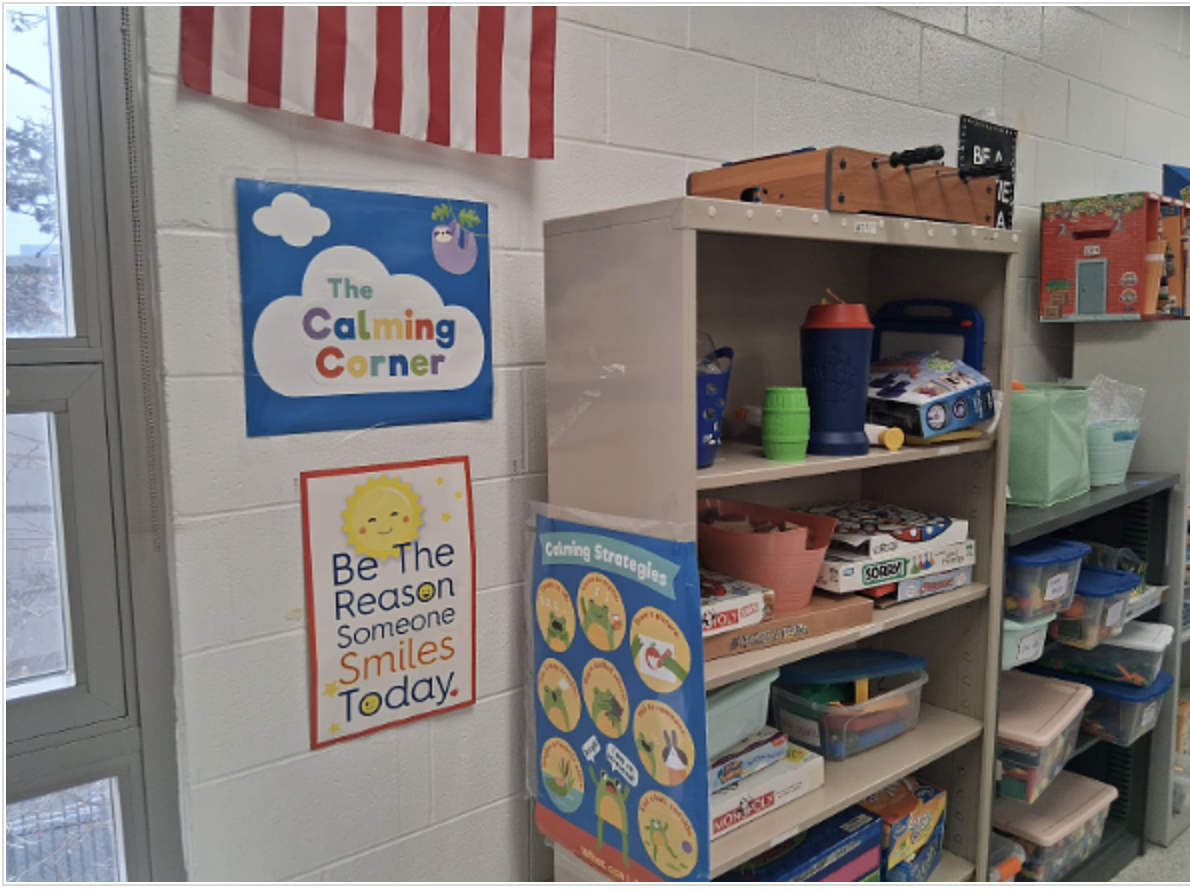
The PACE Prgram includes students in grades 9-12, much like the rest of the school, also housing a transition program, which is designated to students up to the age of 22. The program has a diverse number of students taught by the teachers. Griffith-Allen explained that “the PACE program as a whole serves students with all types of needs.” She clarified each teacher is delegated to a different teaching role, specifically stating she works with students who have “more complex disabilities.”
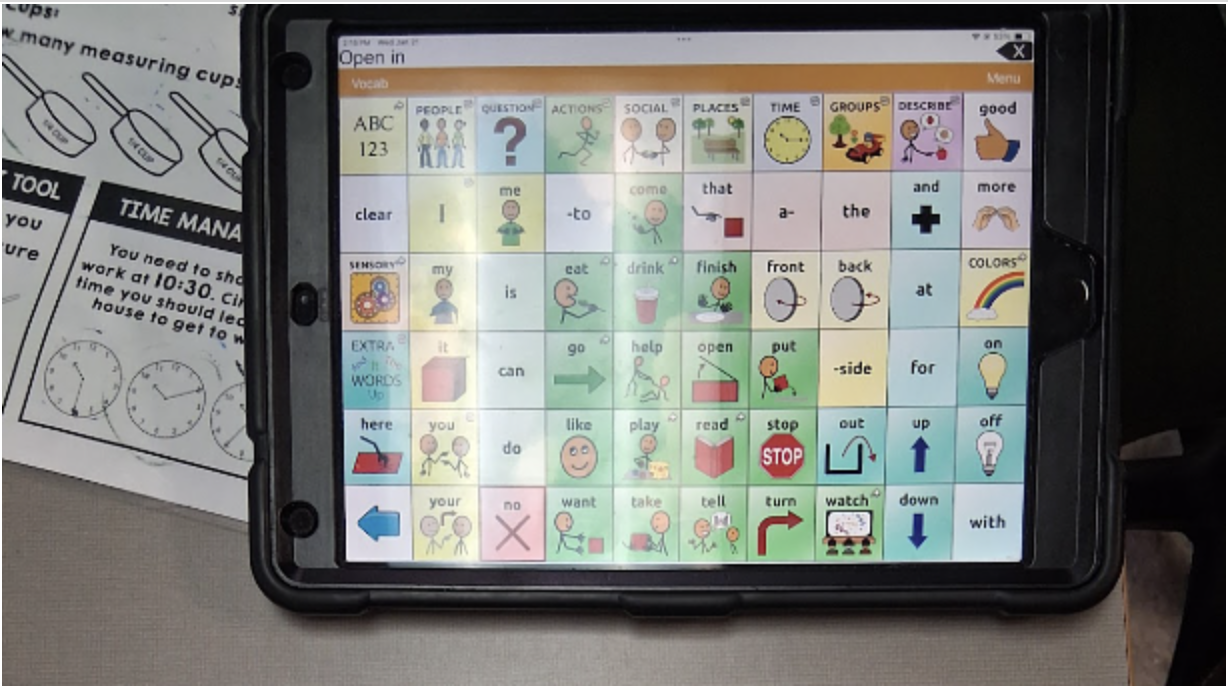
The main goal for the PACE Program is “to prepare students to be as independent as they can,“ Griffith-Allen put it, alongside having “as much control of their lives as possible.”
On a normal day, Griffith-Allen stated they focus on a variety of skills, like “vocational training,” referring to skills related to practical jobs like healthcare and culinary arts. In the classroom, they “structure the whole day” learning math, English, and everyday life skills, preparing for when they age out of the program.
What to Know of the Students in PACE
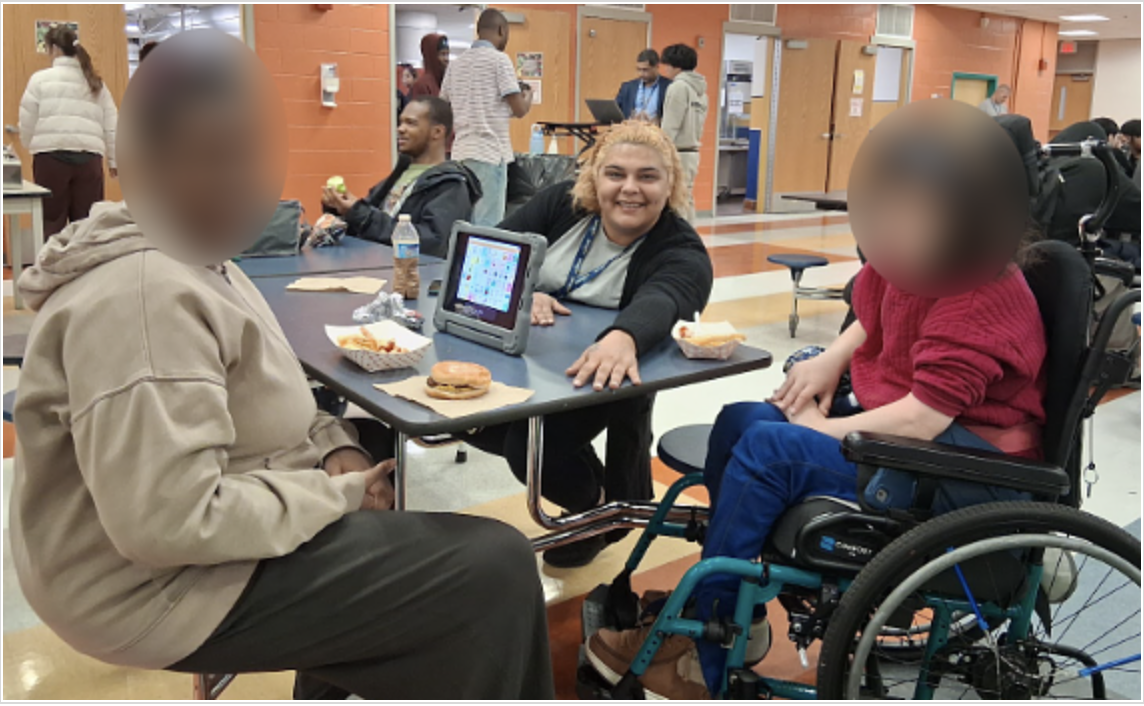
Griffith-Allen highlights the importance of “showing interest and empathy in remembering that anyone with a disability generally wants the same thing someone else wants.”
“It just might look different. It might take a long time,” you should “presume competence” and be “open to different types of communication,” as some students may be non-verbal.
Drakopolous also mentioned to “think about if the positions were switched.” if you want to empathize with other students.
Respectful Discussion
Sometimes it can feel like a taboo to talk about disabled people, and one should try their best to not be intentionally ableist. There are many terms you should and should leave out of your vocabulary when referring to disabled people, especially those made to insult or those that are outdated. Try and read up online to know what is generally acceptable.
At the same time, don’t be scared to discuss disabilities in the first place. “Disability is not a dirty word,” Griffith-Allen put it. “It’s okay to say someone is disabled.” It’s also important to know what one person is comfortable with, as they “may not be comfortable” with other terms. One person in a wheelchair may be fine with being referred to as “wheelchair-bound,” while another may not.
Ask them about it and “try not to paint with a broad brush,” as Drakopolous put it. At the end of the day, the most important thing about disabled people is still treating them like how you would like to be treated.
Wrapping up
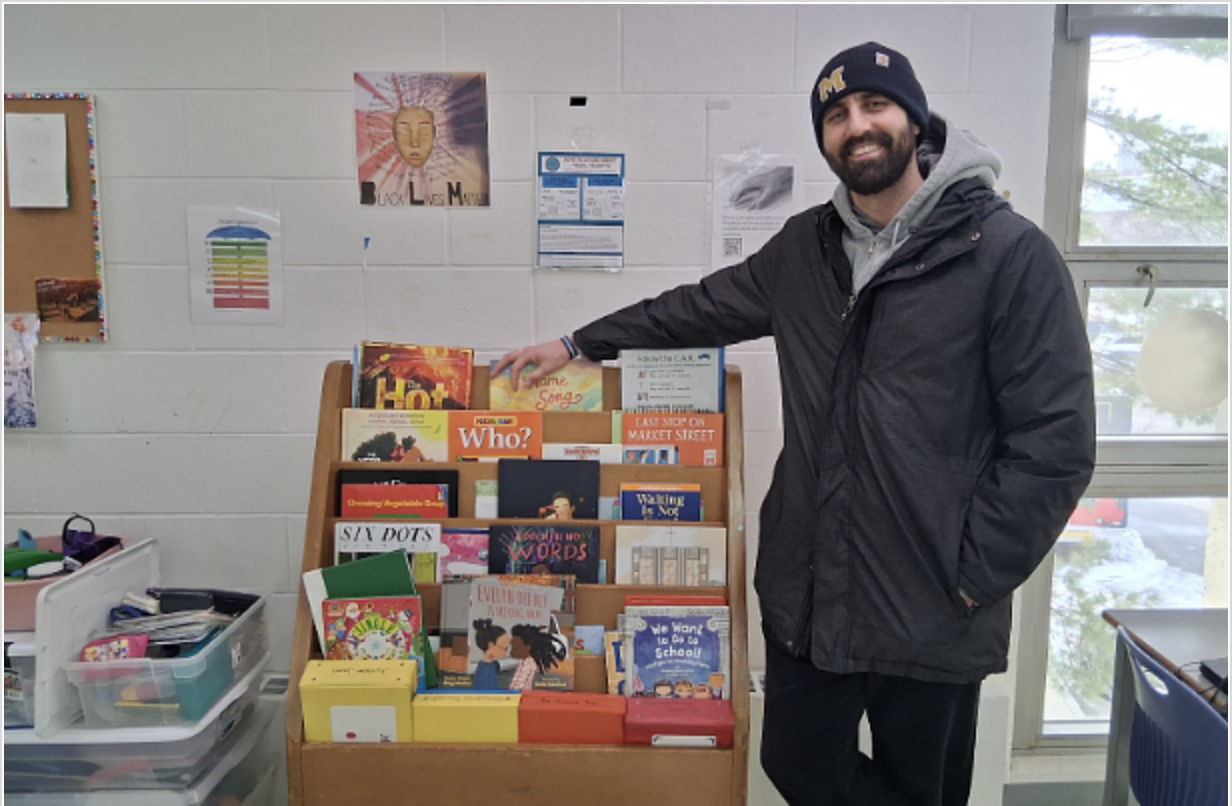
There’s always been unfortunate stigmas and mistreatment for those who are disabled, both physically and cognitively. This can isolate students–and adults, ostracizing them from society.
Even those who don’t mean to hate can fall into insensitivity when they don’t know enough.
Remember: students with special needs may have difficulties in life, but they are human, not just “special needs.” It’s important “any type of learning ability has the chance to learn,” Lee added. The best we can do is sympathize and support them. Taking small actions to be aware and accepting of those who are disabled, can help unite us as a community.
About the Author