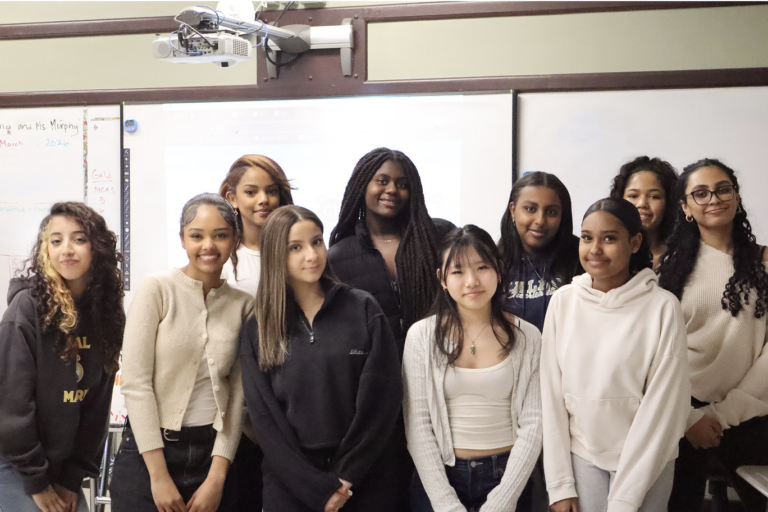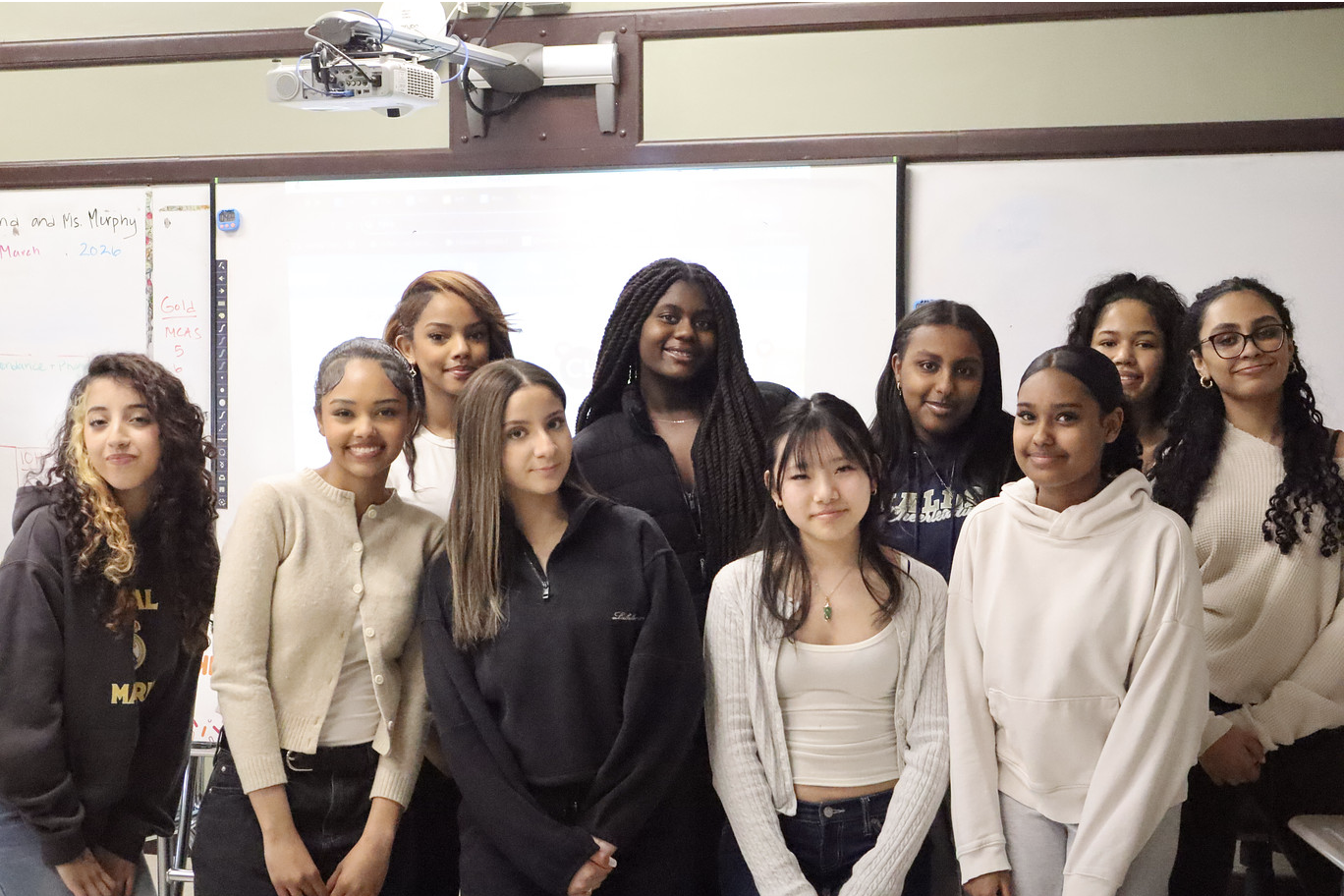
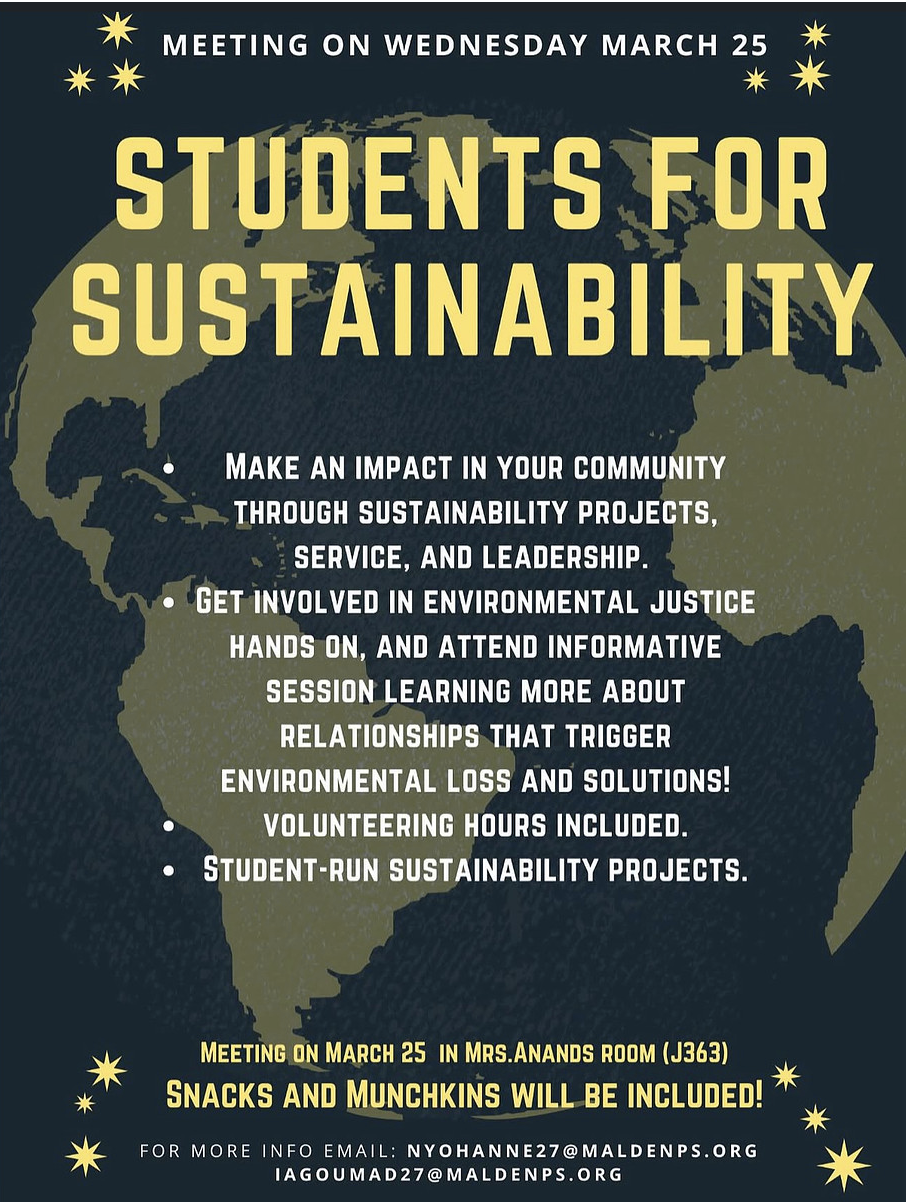
In the current times of our Earth’s environment where threats to its wellbeing are most prevalent, advocacy and action are crucial in securing a healthier planet for the future generations. The Students for Sustainability Club, founded by President junior Naomi Yohannes and Vice President junior Imane Agoumad, thrives to educate students on environmental issues within their community and what they can do to solve these injustices.
The club held its first meeting after school on Wednesday, March 25th, in English teacher Jasleen Anand’s room (J363). Yohannes felt impassioned to start the club because she had “noticed that a lot of kids our age aren’t aware of a lot of environmental and social issues that affect them and their community.”
In addition to the lack of awareness noted by Yohannes, her previous participation in Clean Water Action’s Youth Action Collaborative group inspired her to start a space where students could learn about environmental injustices with less commitment than a traditional educational group.
Previous experience did not only fuel the inspiration for the club, but also enticed students to join. Sophomore Loza Bisetegne explained how her past participation in a Sustainable Development Goals club sparked her interest, and she sees this club as a “great opportunity to continue expanding my knowledge and involvement in this area.”
The meeting commenced as Yohannes and Agoumad introduced their slideshow presentation and passed out donuts and munchkins to club members. The slideshow began by depicting the origin of the environmental justice movement in the 1800s, originating due to marginalized groups and poor areas being the largest target of pollution.
They then introduced the concept of redlining, which is when toxins are placed in poor communities and people of color living there are left defenseless fighting against the environmental harm.
Junior Venusia Teklu mentioned how she enjoyed the club’s first meeting because she felt as if they covered new subjects “that we don’t cover in environmental classes.”
The pair then posed the question to the group: “Why might a low-income community have a harder time fighting a new power plant than a wealthy community?”
Members talked in small groups and shared how due to low-income communities having a power imbalance with wealthy power plant owners, they are unable to fund protests or legal actions.
Members then participated in a Kahoot to test the knowledge they gained over the course of the meeting, the overall winner sophomore Tenzin Tseten won an $11 cash prize. Tseten decided to join the club due to wanting to “dive deeper” into environmental issues following her research in AP Seminar.
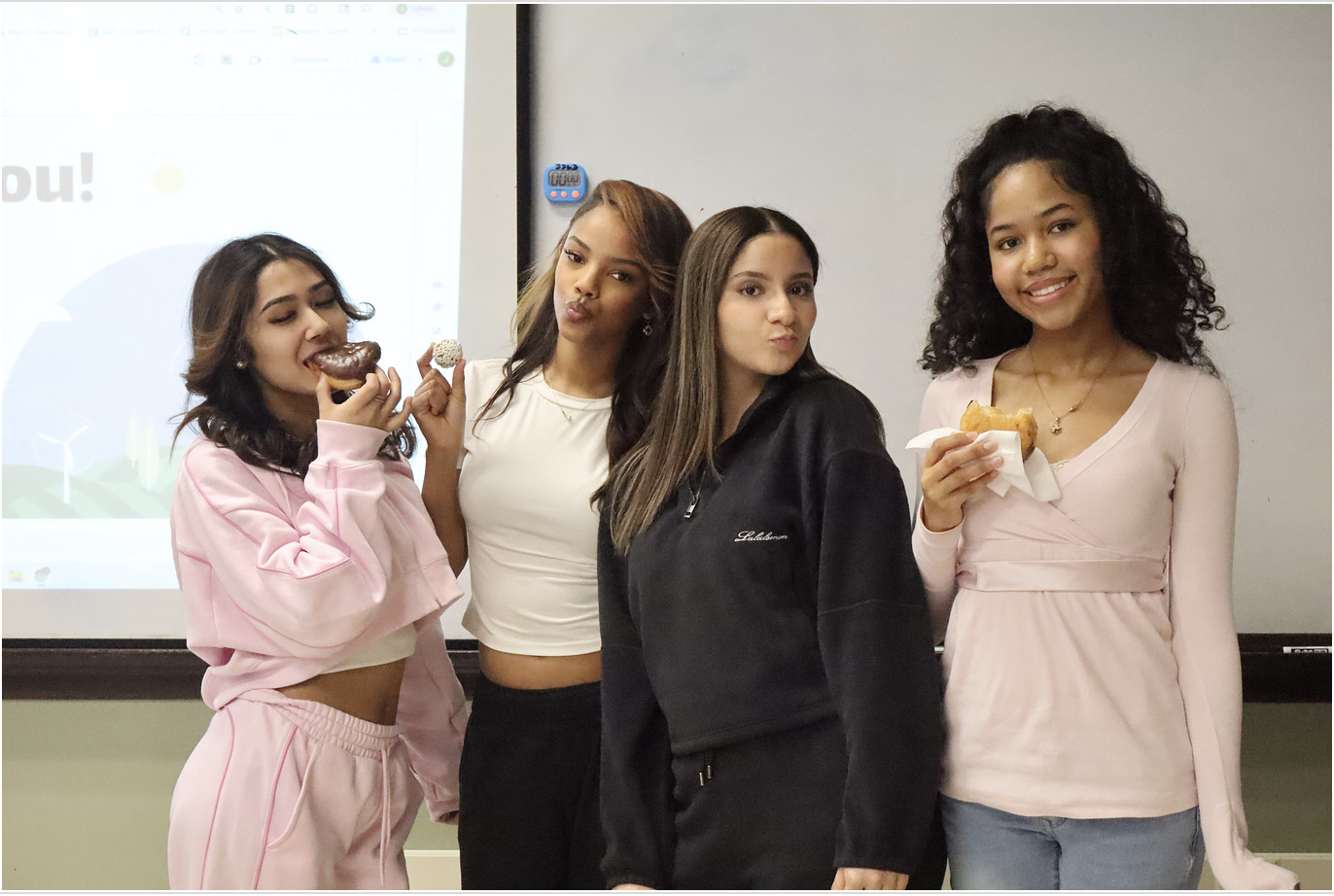
Yohannes ended the meeting by explaining how the club will participate in future “hands-on community-based volunteering events.” She believes it is vital that students learn about environmental issues threatening their communities because “as we get older, these issues are going to be put in our hands so I feel like the earlier we know about them, the better.”
“I would recommend students joining this club to gain more knowledge which is not broadcasted and not as talked about with teenagers,” Teklu advised.
To learn more about how you can make your community more sustainable and protect it from environmental injustice, visit the club’s Instagram page @studentsforsustainabilitymhs and keep an eye out for bi-weekly club meetings.
About the Author