Ever wondered how the air quality in Boston differs from other populated areas like Chicago and New York City? How does the air we all breathe stay unpolluted? It’s because of the efforts of environmental specialists who pitch ideas to better the air quality in the city of Boston.
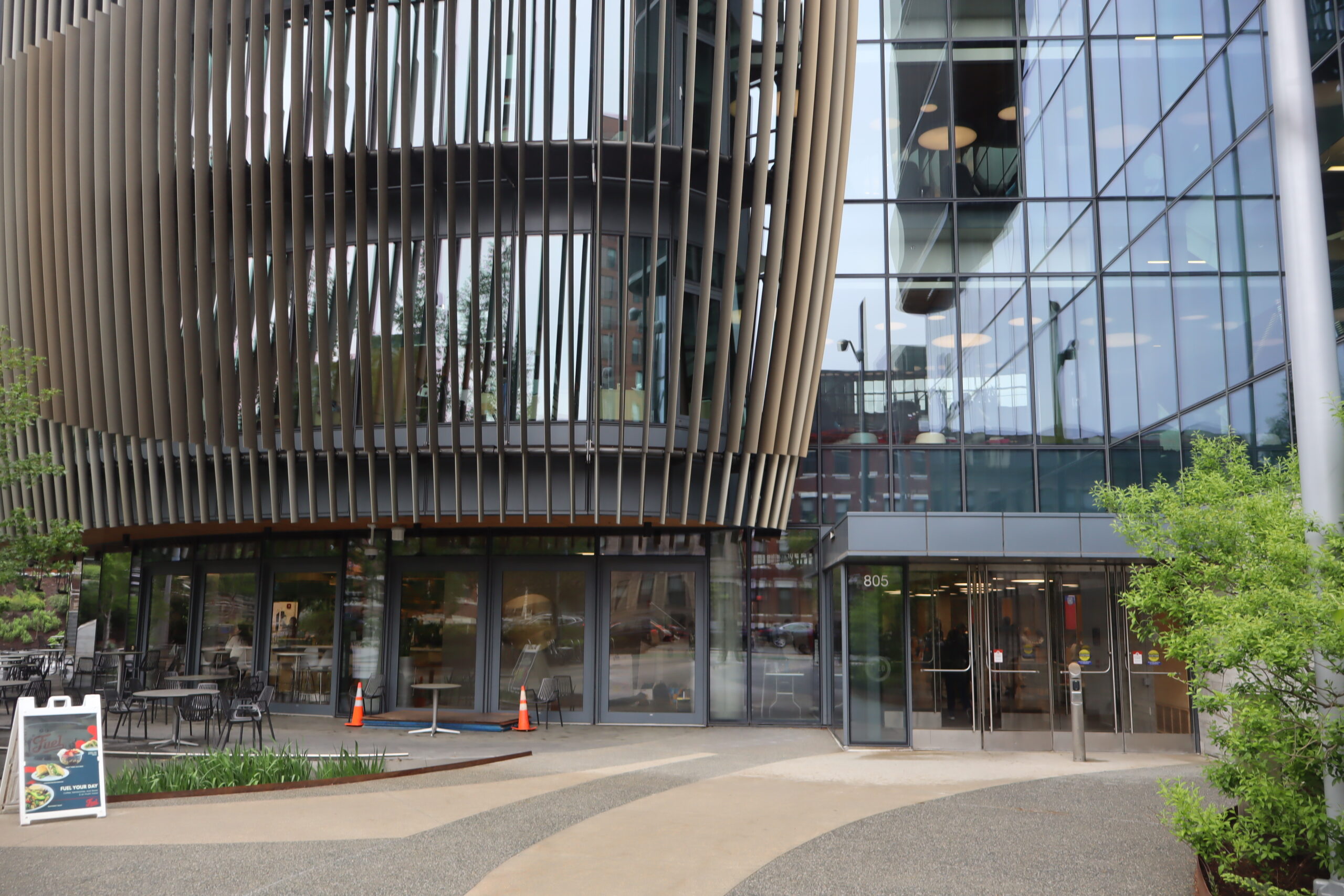
On Friday, May 15th, the Greater Boston Air Quality Summit was hosted at Northeastern University’s Interdisciplinary Science and Engineering Complex, where professors from universities such as Northeastern and Boston University attended the summit, pitched ideas, and answered questions. Residents of the Commonwealth of Massachusetts were allowed to attend the summit from 9 AM to 5 PM.
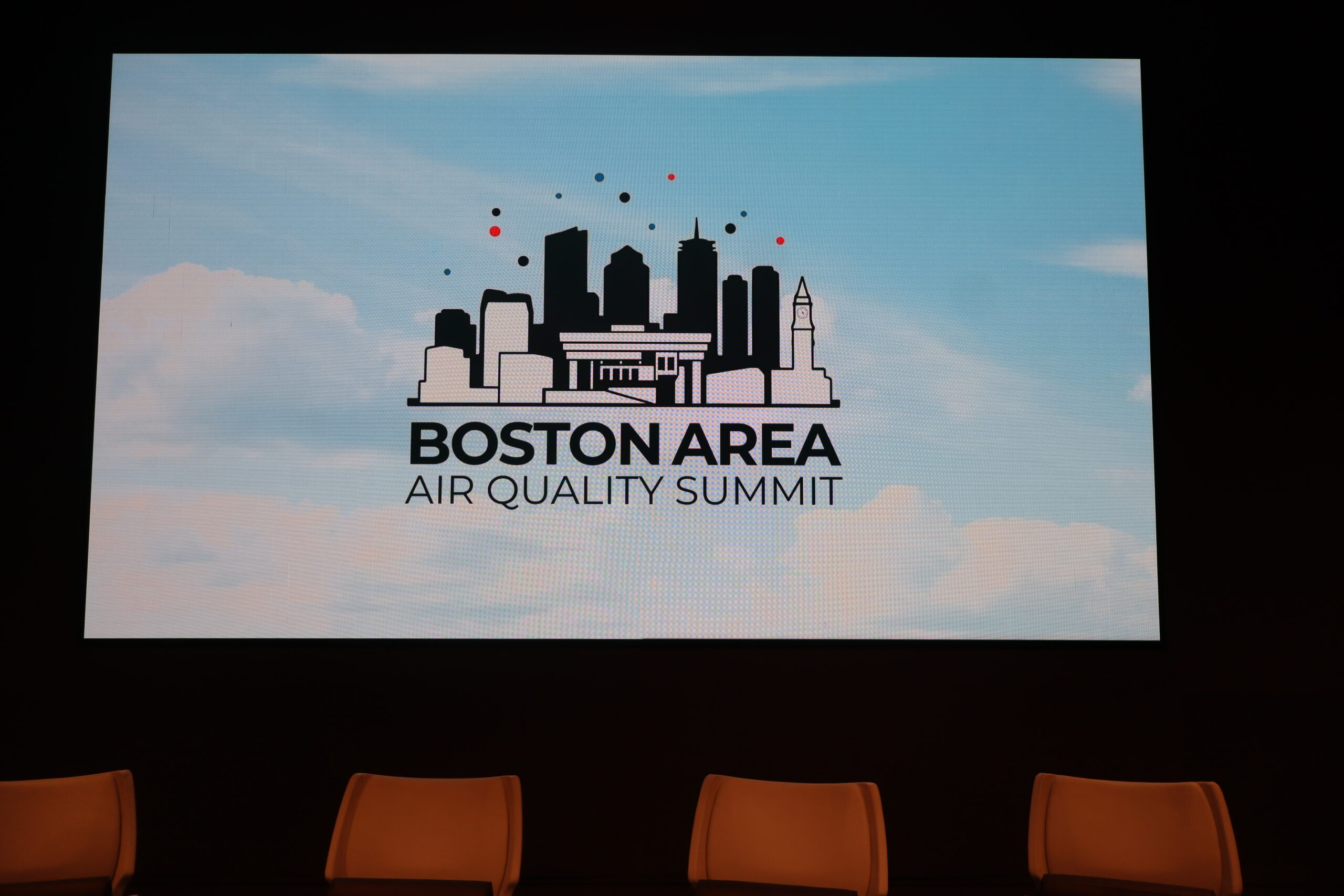
In the auditorium of the Interdisciplinary, many Boston residents sat down and listened to environmental scientists who offered advice on how to continue keeping the air quality in the city of Boston clean. In addition, the specialists answered questions that were either registered online or asked during the summit.
“I think the fewer people we have driving around Boston, the better for our air quality,” said Dr. Lindsey Butler, who is also the Executive Director of the Boston Green Roofing Commission. Butler advised that transportation had a significant impact on air quality: “A lot of our air pollution comes from transportation here in Boston, and the amount of single-occupant vehicles that we have on the road.” Butler also noted that the more people control the amount of gas fumes that exit their vehicles, the cleaner the air quality is in the city of Boston.
“The best thing that I could suggest everyone to do is to vote for politicians who will support clean air policies. That’s the best lover we have. Since this is such a national issue, we can’t tackle them on our own,” shared current Air Quality Project Manager for Boston, Tori Hass-Mitchell.
Environmental Science Professor of Northeastern University, Dr. Amy Meuller, brought up how “it kind of doesn’t matter what scale you look at it,” the“air quality is something that’s both regional, but also very neighborhood.”
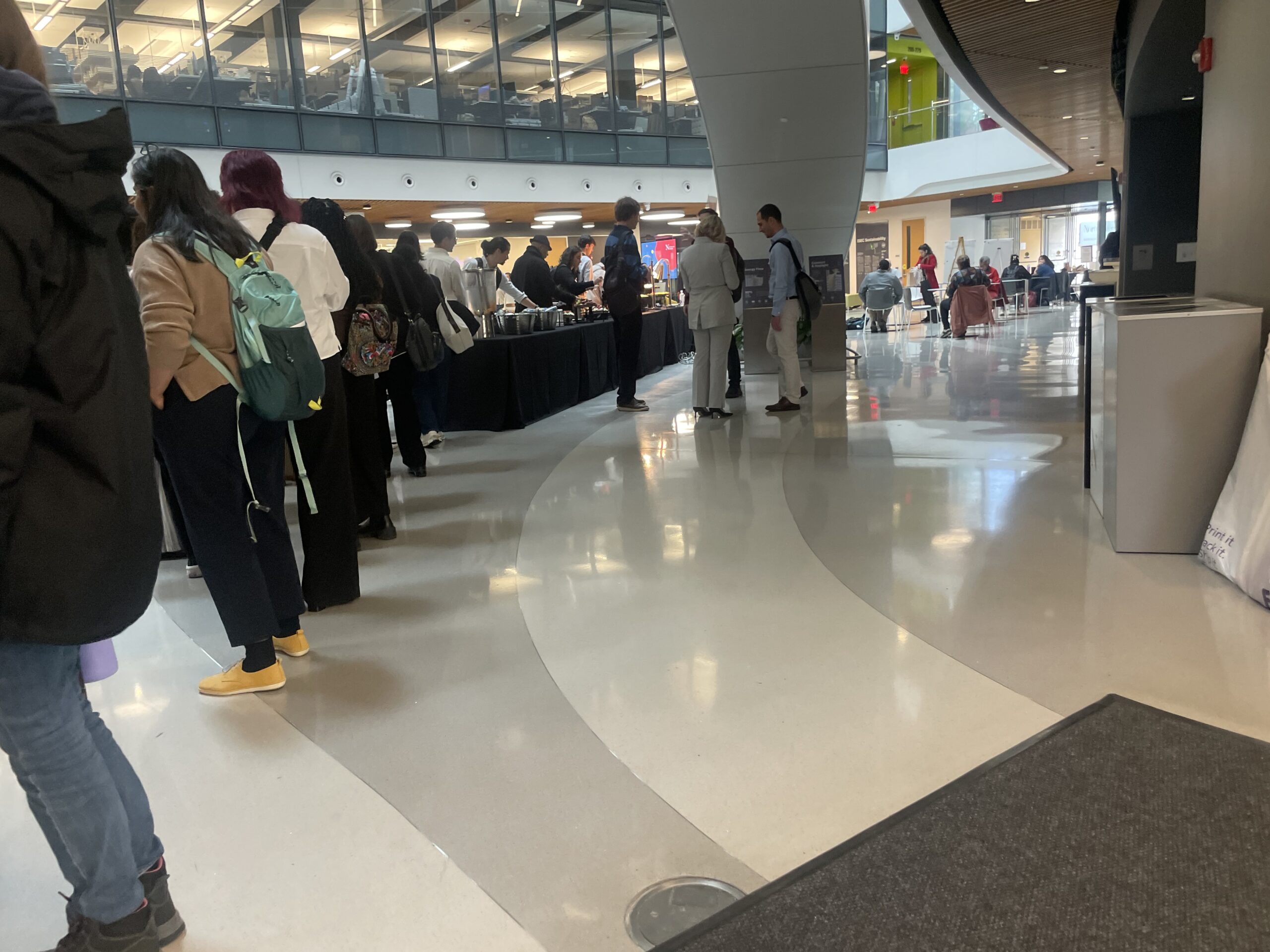
After the series of questions had concluded, the guests were free to leave the auditorium to grab refreshments and table snacks, which enabled people to take the time to talk to others who may share similar opinions on how to keep the air quality in Boston clean.
About the Author